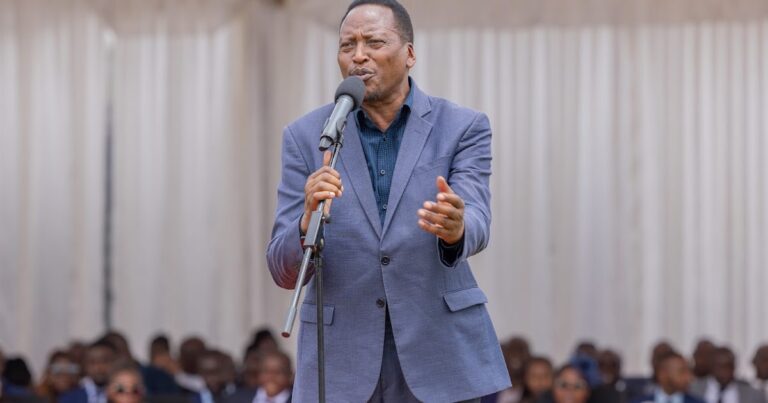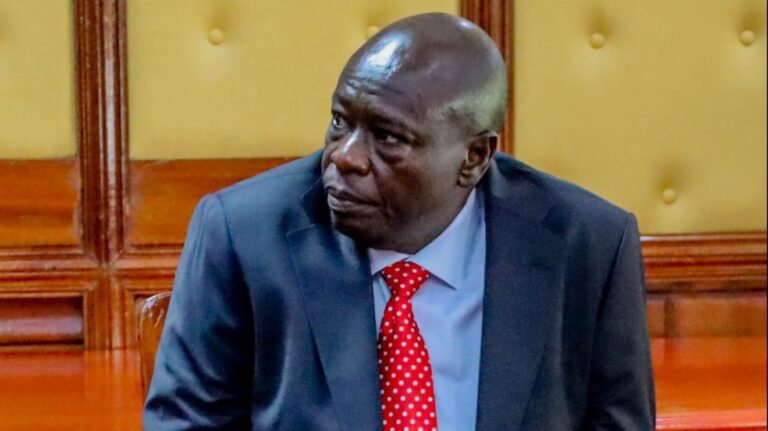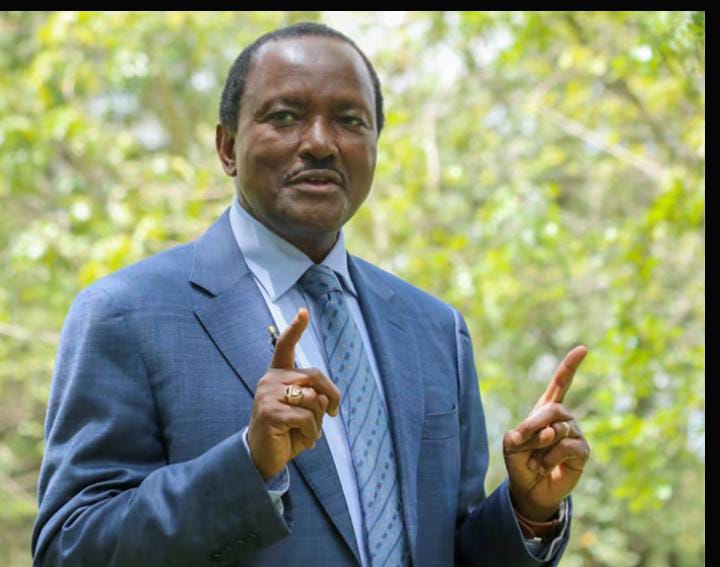
In a significant political move, the Azimio la Umoja One Kenya Coalition has appointed seasoned politician Stephen Kalonzo Musyoka as its new coalition Leader. This change marks a major shift in the opposition landscape ahead of the 2027 general election. The announcement was made during a joint meeting of the coalition’s Council and National Executive Committee (NEC) on February 2, 2026. The meeting was chaired by former President Uhuru Kenyatta, who is the coalition’s chairperson.
Kalonzo’s rise follows the death of the coalition’s founding leader, Raila Odinga, who died in October 2025. Odinga had led Azimio since it was formed before the 2022 elections, building it into a broad political alliance of opposition parties. With Raila’s passing, the coalition faced both a leadership gap and uncertainty about its future direction, especially as political parties gear up for a highly contested national poll.
At the meeting, Kalonzo, who leads the Wiper Patriotic Front, was appointed to provide the coalition with renewed strategic focus. Other key leadership changes were also approved. Suba South MP Caroli Omondi was named Secretary General, taking over from Junet Mohamed, and Philip Kisia, a former Nairobi Town Clerk, was appointed Executive Director.
In his acceptance statement, Kalonzo thanked the coalition’s leadership and constituent parties for the trust they placed in him. He described his new role as a shared responsibility, stressing unity and a forward-looking agenda aimed at national renewal and principled leadership. Coalition communications indicated that the restructuring aims to improve internal coordination, refine political strategy, and establish Azimio as a credible alternative to the ruling government.
However, not all coalition members have welcomed the changes without concern. Several Azimio-aligned parties have expressed worries about the process, claiming that the changes occurred without full consultation. They argue that this undermines the coalition’s original principles of inclusivity and transparency. Some of these parties have even hinted at possible legal challenges to the leadership decisions.
Analysts believe Kalonzo’s appointment goes beyond mere organizational adjustments. It represents a clear effort by the Azimio leadership to revitalize the coalition’s identity and present a united opposition front in a political landscape increasingly influenced by shifting alliances and realignments. As Kenya approaches the 2027 elections, Kalonzo’s role will likely be crucial in how Azimio deals with internal challenges, rival coalitions, and the larger struggle for political power.