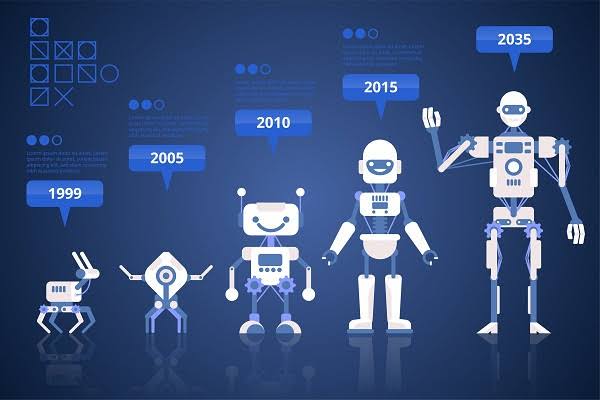
Years passed while “Artificial Intelligence” referred to machines imitating human thought. It wasn’t just the rule-heavy programs of the 1980s, it also included giant language models that reshaped tech culture in the early 2020s. Its main feature stayed the same, the artificial part dominated everything.
It reflected, sometimes clearly and sometimes distorted, human reasoning, speech and bias. Now the ground shifts quietly beneath us. Imitation fades and something new starts to emerge. Synthetic Intelligence appears, not pretending or mimicking, but built from different blueprints. Here, thought processes work differently. They are not flawed copies but original by design. This is no longer about mirrors. It relies on rules made in circuits, not minds.
A spark in a lab might shine like a star, but it comes from something completely different. One type of fake diamond may trick the eye with glass shaped to shine. Another type forms under pressure in machines, identical down to the atoms. So it is with thinking made by wires instead of minds.
These systems do not imitate how people talk or guess; they create decisions from the ground up. They evolve without needing instructions. They mix circuits with ideas from living minds, sometimes combining both into something never seen before. Their logic does not have to follow our biology at all.
Notice how things change when machines begin to operate on their own. Once, you would ask them what to do but now, they act without waiting. What we see now looks less like software and more like minds formed from code. They handle complex jobs across fields, such as rerouting cargo worldwide or identifying hidden chemical patterns, all without a step-by-step guide from humans. Speed is not the focus anymore; what matters is how differently they reason. They are shaped by both virtual and real worlds, built in ways unlike ours but finely tuned to their realities.
Looking ahead, the shift to synthetic intelligence calls for us to rethink what it means to be the so-called smart species. Intelligence is no longer limited to biology it now develops outside of ourselves. Our role changes from being sole creators to partners in this new landscape.
The quiet stagnation once known as the AI Winter has turned into relentless waves of improvement that sustain themselves. It is not just about creating better tools anymore; it is about sharing the space with a new form of existence made of code.
What will matter most in the years ahead will not depend on whether machines can deceive us in conversation but on how wisely we can shape a future together with minds born from circuits that have real impacts.