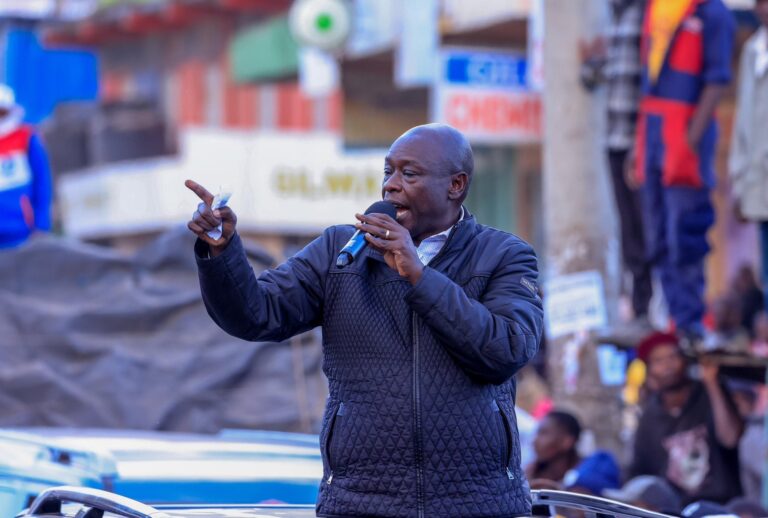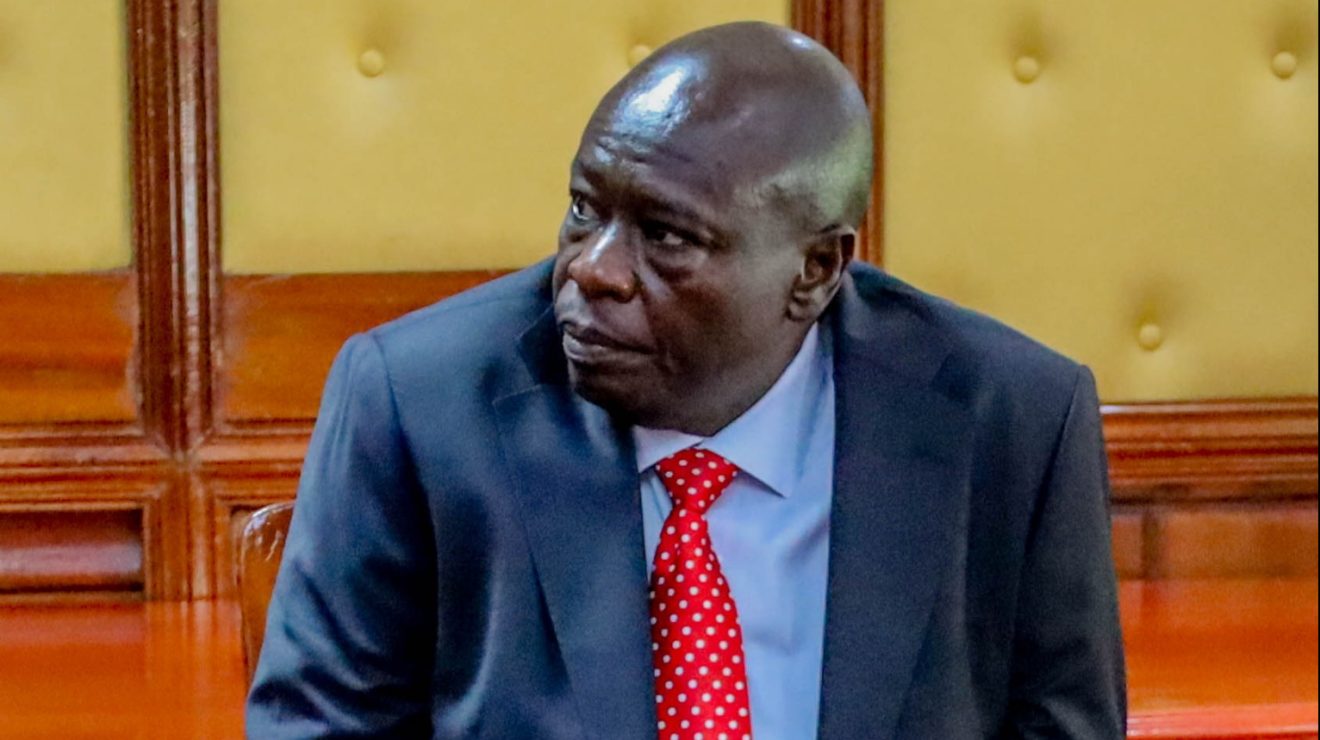
A High-Stakes Political and Legal Showdown
Kenya’s political landscape has been thrust into renewed tension following serious allegations surrounding a Sh500 million fuel scandal. At the center of the unfolding developments is Deputy President Rigathi Gachagua, whose claims have triggered a firm response from the Directorate of Criminal Investigations (DCI). We examine the facts, implications, and the broader consequences of this escalating confrontation that continues to dominate national discourse.
This issue is not merely political rhetoric; it carries significant legal, economic, and governance implications that could reshape public trust and accountability mechanisms in Kenya.
The Origin of the Sh500 Million Fuel Scandal Claims
The controversy began when Rigathi Gachagua publicly alleged the existence of a massive fuel-related scandal valued at approximately Sh500 million. According to his claims, certain entities were involved in irregular procurement and distribution practices, potentially undermining Kenya’s energy sector.
We note that such allegations, given their magnitude, immediately attracted public scrutiny, media attention, and institutional concern. The fuel sector remains a critical pillar of Kenya’s economy, and any suggestion of malpractice at this scale raises alarm across both government and private sectors.
The Deputy President’s assertions were framed as part of a broader call for transparency and accountability, but they have now triggered a direct response from investigative authorities.
DCI’s Response: Warning of Legal Action
In a swift and firm reaction, the DCI issued a warning indicating possible legal action against Gachagua. The investigative agency emphasized that unsubstantiated claims could undermine ongoing investigations, mislead the public, and damage reputations.
We observe that the DCI’s stance underscores a critical principle: allegations of corruption must be supported by credible evidence. The agency has reiterated its commitment to pursuing fact-based investigations and warned against the politicization of sensitive matters.
The DCI’s position signals that it is prepared to take legal measures to protect the integrity of its processes, including summoning individuals for questioning or initiating proceedings if necessary.
Legal Implications: Accountability vs Freedom of Expression
This development presents a complex legal dynamic. On one hand, public officials have a duty to expose corruption and safeguard public resources. On the other hand, there exists a legal framework that governs defamation, false reporting, and interference with investigations.
We recognize that the situation raises key questions:
- What constitutes sufficient evidence when making public corruption claims?
- To what extent can political leaders speak without jeopardizing legal boundaries?
- How should investigative bodies respond to high-profile accusations?
The answers to these questions will shape not only this case but also future interactions between political leadership and investigative institutions.
Political Ramifications: Tensions Within Leadership Circles
The dispute has also exposed underlying political tensions within Kenya’s leadership structure. Gachagua’s remarks, combined with the DCI’s response, have intensified debates about governance, loyalty, and internal accountability.
We note that such public confrontations can:
- Erode confidence in government cohesion
- Fuel political divisions
- Influence public perception ahead of future electoral cycles
Political analysts suggest that the situation could have long-term implications for alliances and power dynamics within the ruling administration.
Economic Impact: Concerns Over the Fuel Sector
Beyond politics, the allegations have sparked concerns within the energy and petroleum sectors. The mention of a Sh500 million scandal suggests potential vulnerabilities in procurement systems, supply chains, and regulatory oversight.
We emphasize that the fuel industry is highly sensitive, and even allegations can lead to:
- Market instability
- Investor uncertainty
- Public anxiety over fuel pricing and availability
Stakeholders are now calling for transparent investigations and clear communication to prevent disruption and restore confidence.
Public Reaction: Demand for Transparency and Truth
The Kenyan public has responded with mixed reactions, reflecting both skepticism and concern. While some citizens applaud efforts to expose corruption, others question the timing and credibility of the claims.
We observe a growing demand for:
- Concrete evidence supporting the allegations
- Swift and transparent investigations by the DCI
- Accountability for any proven wrongdoing
Public trust remains a crucial factor, and how this issue is handled will significantly influence confidence in both political leaders and investigative agencies.
Media Coverage and Narrative Control
The media has played a central role in shaping the narrative surrounding the scandal. Headlines highlighting “Sh500 million fuel scandal claims” and “DCI threatens action” have amplified the issue nationally.
We note that media framing can:
- Influence public opinion
- Pressure institutions to act swiftly
- Shape the perception of credibility
As the story evolves, accurate and responsible reporting will be essential to ensure that the public receives verified information rather than speculation.
The Path Forward: Investigations and Possible Outcomes
Looking ahead, several scenarios could unfold depending on the findings of the DCI:
- Substantiation of Claims
If evidence supports Gachagua’s allegations, it could lead to criminal prosecutions and systemic reforms. - Dismissal of Claims
If the claims are found to be unsubstantiated, Gachagua could face legal consequences, including defamation-related actions. - Ongoing Investigations
The matter may remain under investigation for an extended period, with periodic updates shaping public perception.
We stress that the credibility of the process will depend on transparency, impartiality, and adherence to legal standards.
Governance and Institutional Integrity
This case highlights the importance of strong institutions and clear governance frameworks. The interaction between political leadership and investigative agencies must be guided by:
- Respect for the rule of law
- Commitment to evidence-based action
- Protection of institutional independence
We believe that maintaining these principles is essential for sustaining democratic governance and public trust.
A Defining Moment for Accountability in Kenya
The confrontation between the DCI and Rigathi Gachagua over the Sh500 million fuel scandal claims represents a pivotal moment in Kenya’s pursuit of accountability. It underscores the delicate balance between exposing corruption and upholding legal standards.
As developments continue, we remain focused on the facts, implications, and outcomes that will define this case. The resolution of this matter will not only impact the individuals involved but also shape the future of governance, transparency, and institutional trust in Kenya.
As part of our continued coverage of Kenya’s evolving political environment, readers can explore more in-depth updates and analysis in our Politics News section, where we consistently publish verified and timely reports on governance, accountability, and national leadership.