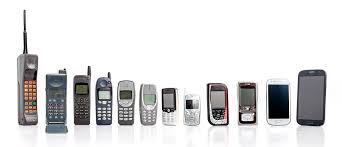
Smartphones were heavy back then, battery dying fast, that’s how they started to a glass now, power inside, so thin it slips through fingers. Calls only at first, nothing else mattered. Then came strange shapes, odd designs popping up everywhere. Tough ones built like tanks, others meant for emails and meetings.
Change arrived slow until a new screen changed everything. Keyboards disappeared once people saw what tapping could do. Focus moved to programs you can swap, keep, rearrange. A machine became many machines, just by touching glass.
By the time the 2010s rolled around, changes zeroed in on how gadgets see and think. Cameras inside phones transformed completely because of several lenses working together alongside smarter light-detecting parts, leaving old-style compact cameras behind.
Meanwhile, internet speeds jumped sharply first from 3G up to 4G LTE, then forward into 5G networks – so handsets could handle live streams of ultra-clear videos without delay. Because of faster connections, smartphones evolved into powerful centers for sharing media quickly while running demanding multiplayer games smoothly.
Design choices shifted just as dramatically when bulky frames gave way to screens that stretched all the way across the front surface. New ways to unlock devices appeared too from face scanning software started reading facial features accurately, along with sensors built beneath the glass detecting fingerprints directly through the display itself.
By 2026, change hits fast in how we use phones faster than when glass screens first took over. Not stuck being dull black slabs anymore, gadgets now bend and think, powered by smarts built right inside. Take the Snapdragon 8 Gen 5 chip which handles heavy-duty AI tasks without needing the internet. Because of that, your phone doesn’t wait for commands it steps in before you ask, sorting calendars or polishing images like a pro editor.
Real-time talk gets translated on the fly, smoothly, mid-conversation. Hardware bends too, literally imagine folding one device twice, turning something small enough to carry into a wide work screen. Hinges made to flow like liquid keep everything smooth, no cracks, no jams. Shape shifts happen easily now from call mode to desk setup in seconds.
A tool once meant only for calls now fits every role wallet, health tracker, even an artist’s workshop. Moving ahead, lines get fuzzy because new tech like space-linked signals spreads widely while 3D images start appearing. What sits in your pocket today isn’t merely a gadget for talking. It runs the show.