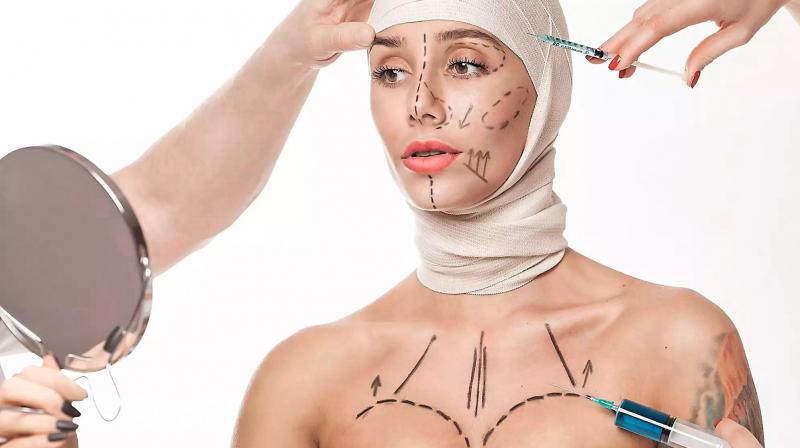
In a world where beauty is constantly on display, being edited, and being judged, more
women are seeking cosmetic surgery in the name of attaining perfection. Cosmetic surgery is
no longer a rare phenomenon or a secret practice. It is a part of everyday conversations,
especially for young women trying to find their own identity, self-confidence, and self
acceptance.
One of the most compelling factors for this phenomenon is the role of social media. Social
media platforms have changed the way we perceive beauty. With many images of flawless
faces and toned bodies, many women are feeling pressured to attain a level of perfection.
Therefore, their own features might start to look less than perfect compared to the images
being portrayed.
For some, cosmetic surgery helps them feel in control of their physical appearance. It offers
the prospect of enhanced confidence, greater self-esteem, and in some instances, enhanced
social and professional advancement. Operations like nose jobs, liposuction, and breast
augmentation are viewed as a way to make one’s physical appearance conform to one’s
ideals. Indeed, for many, these surgeries bring satisfaction, at least in the short term.
Nonetheless, the increasing fixation on cosmetic surgery also brings a number of concerns.
For instance, medical practitioners caution that the repetition of surgeries comes with health
risks, like infections and recovery time. However, apart from health risks, there is the
psychological factor to be considered. For some, cosmetic surgery can lead to a cycle of
dissatisfaction, where one procedure is followed by another in an attempt to correct one’s
physical appearance.
Another factor that adds complexity to this issue is cultural and societal pressures. For
instance, in some cultures, the appearance of women is inextricably linked to their worth,
success, and beauty. This implies that women are under direct and indirect pressure to
conform to certain beauty standards. Cosmetic surgery, in this case, is not just a choice but
also a reaction to societal pressures.
However, some people also argue that cosmetic surgery is a form of self-expression and
freedom. According to this argument, women have the right to make choices regarding their
lives and not be criticized. This argument implies that the issue at hand is not the surgeries
but the reasons why they are done.
At the end of it all, the rise in cosmetic surgery is a manifestation of the larger challenge that
people face in relating to themselves in a competitive and visual world. As the definition of
beauty changes, it is essential that the dialogue around confidence, identity, and self
acceptance is more open and free-flowing. Perhaps the answer lies in helping women find
ways to love themselves beyond the physical form and thereby redefine beauty not as perfect,
but as real.