The countdown is officially on for the 2026 WRC Safari Rally Kenya and this year’s four-day edition, scheduled for March 12th to 15th, promises to be one of the most historic in the event’s modern era. The Safari Rally will consist of 20 special stages covering a total competitive distance of 350.02 kilometers supported by a substantial 842.9 kilometers of liaison sections, connecting the stages.
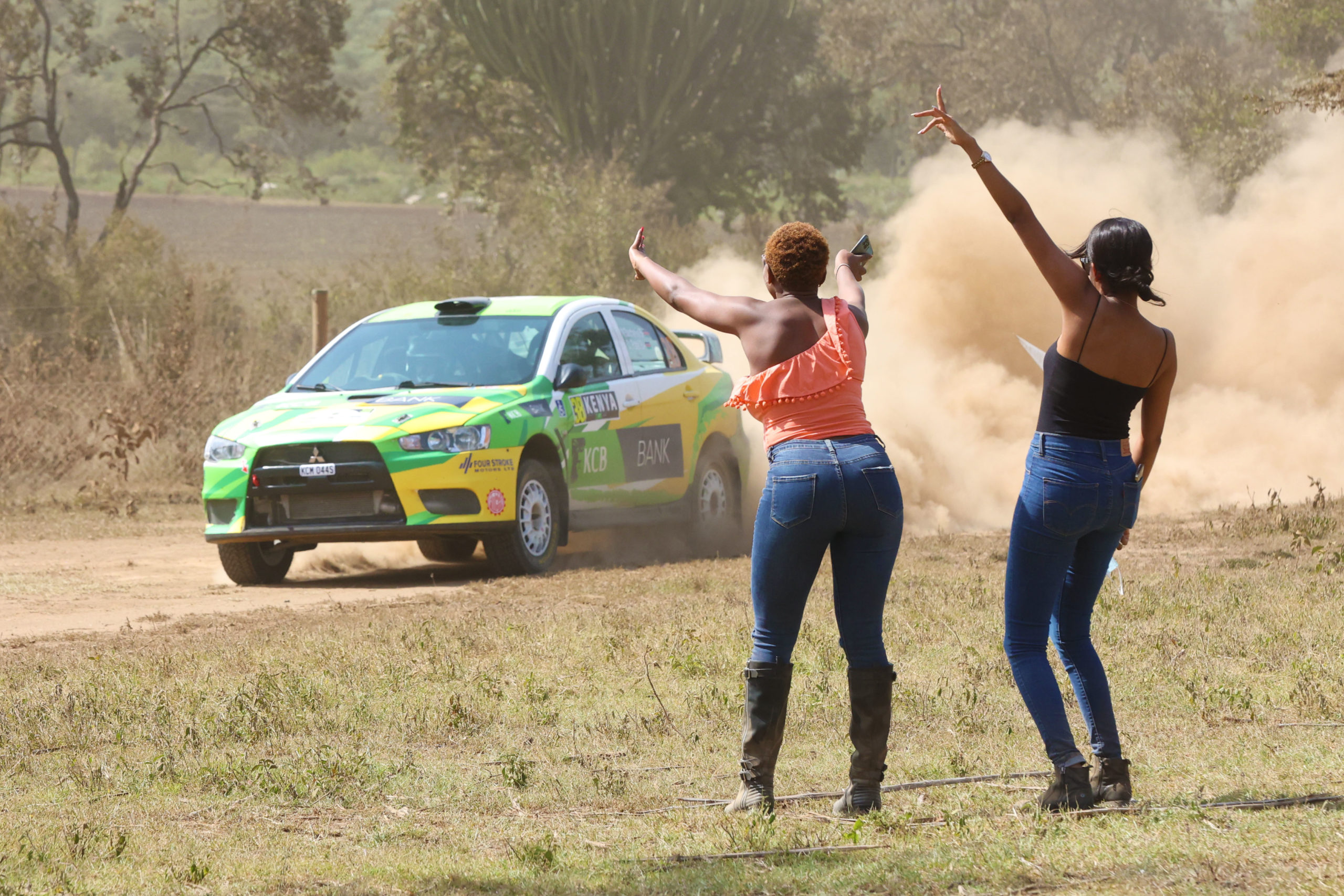
For the first time since its celebrated return to the World Rally Championship calendar in 2021, the iconic competition will be staged exclusively in Naivasha, marking a significant departure from the traditional ceremonial flag off in Nairobi, giving fans an exclusive shakedown open to the public at the Nawisa stage, Naivasha. Unlike previous years, where fans needed 4×4 vehicles to reach remote viewing points, the new venue is accessible on foot, by boda boda or matatu.
Featuring the sport’s biggest names like Sebastian Ogier and Thierry Neuville, together with the defending champion Elfyn Evans and Scott Martin, the four-day event is designed to meet the FIA 2026 sporting regulations on distance and crew working hours.
The second day of the rally is much anticipated due to its brutal Kedong stage, known for its “fesh-fesh” sand that can swallow a whole car, and the spectacular two trees “miti-mbili” high speed jump, a point where the WRC’s toughest machines are pushed to the absolute breaking point.
Kenyan driver Gatimu, who has upgraded from a Subaru to a powerful Ford Fiesta Rally3, is eager to make her mark. “In the Safari, my basic target is still to bring the car home in one piece,” she said. “This will be my fourth attempt and I’m glad that I’m getting along well with my mother, Caroline, who will still be my co-driver.”