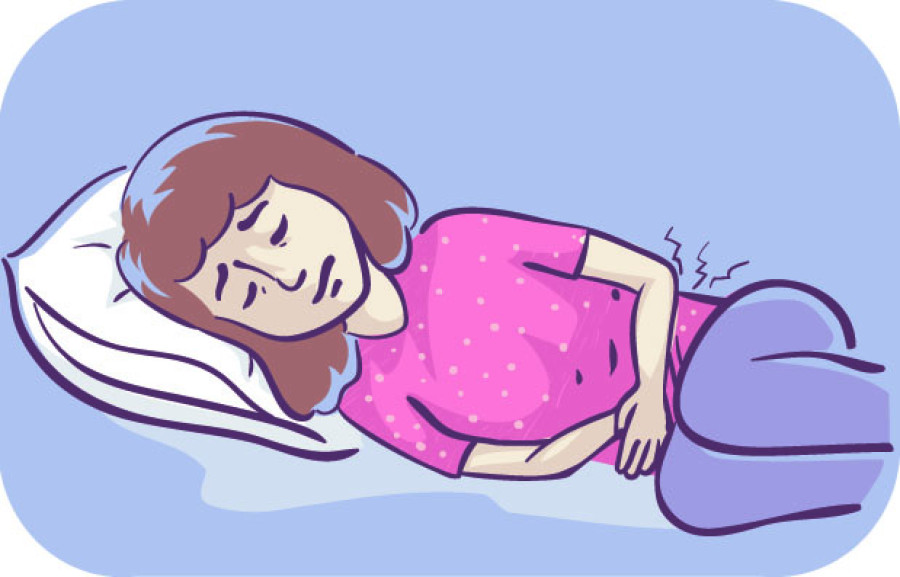
People, especially women, need to have more talks and campaigns on endometriosis. This condition is becoming rampant in many women and even now extending to teenage girls. WHO reveals that around 10% of women of the reproductive age are affected by endometriosis, that is, women ranging from 15 years of age to around 44.
Study also reveals that endometriosis can have severe consequences, including heavy bleeding, severe pain during menstruation, and even worse- infertility.
If this disease has severe effects, then why don’t we talk about it? After thinking so much about it, it hit me. Growing up, girls never had these discussions. Although the condition was discovered in 1860, Kenyans became aware of it in the mid-2010s when mostly public figures were diagnosed with it.
Growing up, many teenagers are told that having period pain is normal. So when this child has severe cramps that still don’t go away even with painkillers, they still assume it’s nothing out of the ordinary. Confusion comes when they now experience pelvic pain even when not menstruating, but they are afraid to ask.
If no one is there in schools, colleges, and campuses to help them understand that these are signs of endometriosis, then they will continue being in the dark.
Older women, too, may not know they have this condition that normally also presents itself as pain during sexual intercourse. And because we Africans have made certain topics like these taboo, then these persons are afraid of asking, fearing judgment. This could be another reason why women wait so long, for a period of about 7-10 years, to get diagnosed.
Even now, more campaigns targeting women are organized, but it is still insufficient. Women need to be educated on the nitty-gritty, what they should avoid, including stress, certain foods, including processed foods, and even sugar, which may worsen symptoms.
Women also need to watch out for subtle signs like bloating also caused by inflammation from the endometrial-like tissue. Women don’t need to get to that point where they have trouble conceiving, so that they visit the hospital.
Media should also spotlight the disease, at least the much as cancer or AIDs. Teenage girls should also be taught not to ignore period pain, but they should visit a gynaecologist whenever they experience any of the symptoms.