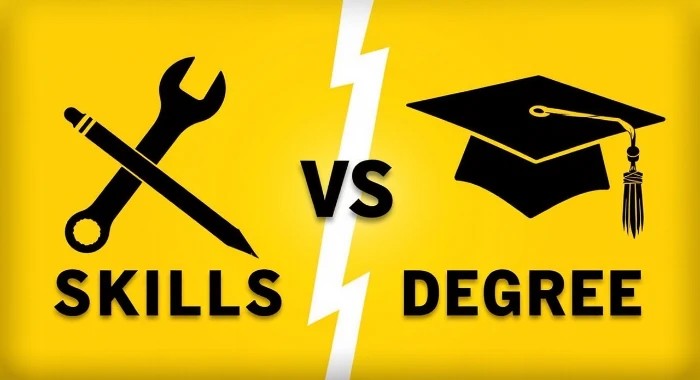
In Kenya, many students grow up believing that good grades guarantee success. From primary school to university, we are told to study hard, pass exams and life will be easier. Parents celebrate report cards, teachers praise top performers and society rewards high achievers. Yet after graduation, many young people remain unemployed, even with good results. This reality forces us to ask a serious question whether grades really enough?
Our education system mainly focuses on passing exams. Students memorize notes, sit for CATs and move to the next semester. Most learning is based on theory. Very little time is given to practical work. Because of this, many graduates enter the job market unprepared. Some struggle to communicate clearly, work in teams or solve simple problems.
Employers often complain that graduates know many concepts but cannot apply them. Many cannot write professional emails or handle basic workplace tasks. Interestingly, students who had average grades sometimes perform better at work because they have practical experience and confidence. They understand how things work in real life.
The pressure to get high marks has also affected students mentally. Many focus on passing instead of understanding. Some feel stressed, tired or discouraged. Others even cheat just to survive academically. Education should help students grow and discover their talents and not only give them certificates.
Today, skills like computer knowledge, communication, creativity, leadership and problem solving are very important. Sadly, these skills are rarely taught seriously in classrooms. Most lectures are about notes and exams not real world challenges.
This does not mean grades are useless. Grades show effort and discipline. But grades alone cannot build a career. Having grades without skills is like owning a phone with no battery. It looks good, but it cannot help you.
Universities need to change how they teach. More practical lessons, internships, attachments, media labs and mentorship programs should be added. Students also must take responsibility for their future. Learning should not stop in class. Volunteering, freelancing and small jobs can help build experience.
In today’s world, employers are not looking for papers alone. They want people who can work, think and adapt.
Kenya must start valuing skills as much as grades or else we will continue producing graduates who look good on paper but struggle in real life.