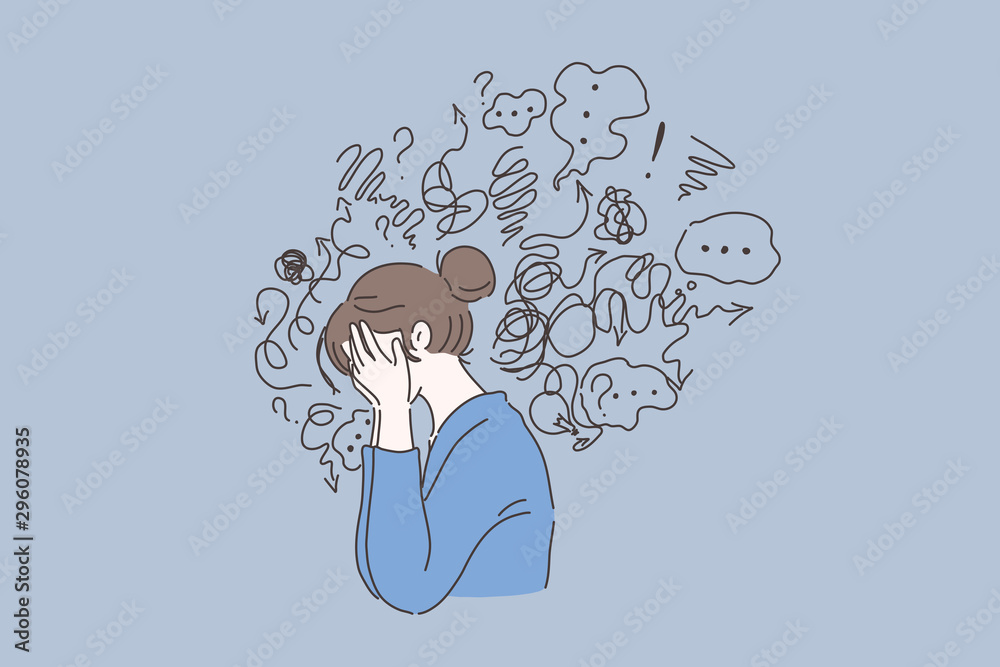
Anxiety is a natural feeling of worry or fear about what might happen, but it becomes a disorder when it is intense, excessive and persistent. This is something that doesn’t knock before it enters. It shows up uninvited, sometimes quietly and other times with a crash, once it settles in, it can be difficult to send it away.
For most of the individuals in society, anxiety isn’t just a passing worry before something like a big exam, a job interview or even an unknown disease. It is a constant, invisible companion that shapes how they think, act and connect with the world around them.
At its beginning, anxiety is the body’s alarm system, a survival tool wired into us since the beginning of time. Our ancestors needed it to escape predators or prepare for any danger. But in today’s fast-paced world, that same system often misfires. The predator has changed. It’s no longer a wild animal or any enemy. It’s a ringing phone, a social gathering or a mounting to-do list. The body still reacts as if life is on the line, leaving many to wonder, “Why can’t I just relax?”
For those who live with it, anxiety is more than a mental state, it is a full-body experience. The heart races, breathing shortens, palms sweat and a wave of dread can hit without warning. Some describe it as being trapped in a storm no one else can see. Others say it feels like standing on the edge of a cliff, even when they know they’re safe.
Beyond the physical symptoms lies a deeper emotional toll. Anxiety can isolate. It makes people second-guess their worth, avoid opportunities, stay lonely or stay silent even when they have something to say. Everyday activities, such as meeting friends, attending class and walking into a crowd, can feel like running a marathon with invisible weights.
Yet, to view anxiety only as a disorder is to miss something essential. It is also a sign of sensitivity, a heightened awareness of life’s uncertainties. Those who live with anxiety often possess deep empathy and emotional intelligence. They notice details others overlook. They care deeply. Their minds simply respond too fiercely to the unpredictability of being human.
Managing anxiety is not about silencing it completely. It is about changing the relationship with it. Many find relief through therapy, especially Cognitive Behavioural Therapy, which helps reframe the thoughts that fuel fear. Mindfulness practices like deep breathing or grounding exercises, hanging around with friends, can offer moments of calm. Regular exercise, balanced nutrition and enough sleep also play quiet but powerful roles in keeping anxiety in check.
But perhaps the most powerful shift comes through acceptance. Accepting anxiety doesn’t mean giving up but it means letting go of the constant fight against it. It’s telling yourself, “This feeling is uncomfortable, but it will pass.” That self-compassion can turn fear into resilience and pain into perspective.
The journey with anxiety is rarely straightforward. Some days feel lighter, others heavy. But every effort to understand and manage it is an act of courage.
In a world that glorifies control and composure, living openly with anxiety is an act of quiet rebellion. It reminds us that strength isn’t the absence of fear but it is the willingness to face it. And in that sense, those living with anxiety are the proof of the human spirit’s remarkable ability to endure, adapt and keep moving forward even with an uninvited companion by their side.