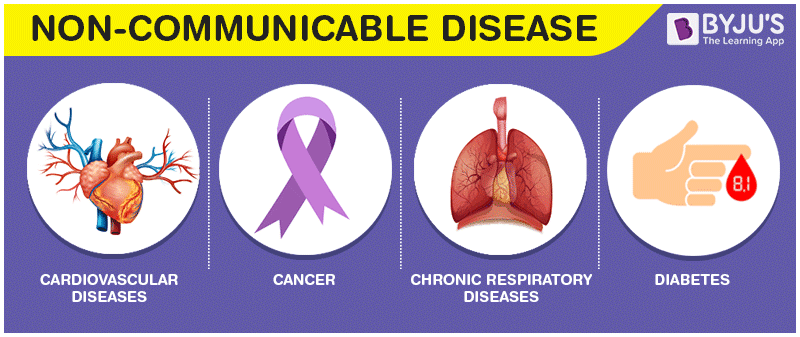
Millions of Kenyans wake up daily carrying an invisible burden, one that does not spread through coughs or contaminated water, but through lifestyles, environments, and systemic gaps in healthcare. The non-communicable diseases (NCDs), which include cardiovascular diseases, diabetes, cancer, and chronic respiratory illnesses, have steadily emerged as one of the country’s most pressing public health challenges. The non-communicable diseases progress silently, frequently remaining undiagnosed until they reach life-threatening stages.
For many households, the struggle with non-communicable diseases is not only medical but also economic and social. Long-term treatment costs, repeated hospital visits, loss of productivity, and limited access to specialised care have placed immense pressure on families already grappling with the high cost of living. As more Kenyans are diagnosed at younger ages, NCDs are reshaping the country’s health profile, challenging long-held assumptions that chronic illnesses are conditions of old age or affluence.
The story of the Kamba musician, Biez Kaviru, who is walking a distance of 170 kilometres from Kitui to the State House Nairobi to meet president William Ruto to petition him to declare cancer a national disaster is a clear indicator of how most Kenyans are struggling in the battle with this non communicable diseases with high number of cases about 44000 to 45000 annually, according to The Star
The growing prevalence of non-communicable diseases reflects broader structural issues, including dietary changes, physical inactivity, harmful use of alcohol and tobacco, and persistent inequalities in healthcare access. As Kenya continues to invest heavily in curative services, public health experts warn that without a stronger emphasis on prevention, early screening, and public awareness, NCDs will continue to exact a heavy and largely preventable toll on the nation.