Weddings have always been special moments that bring families and friends together to celebrate love and commitment. For many years, wedding ceremonies followed strict cultural and religious traditions. Today, however, weddings are changing. Many couples are choosing modern styles that reflect their personal tastes and lifestyles. While traditional weddings remain important in many communities, modern weddings are becoming more popular. The difference between the two shows how society, culture and personal choices are evolving.
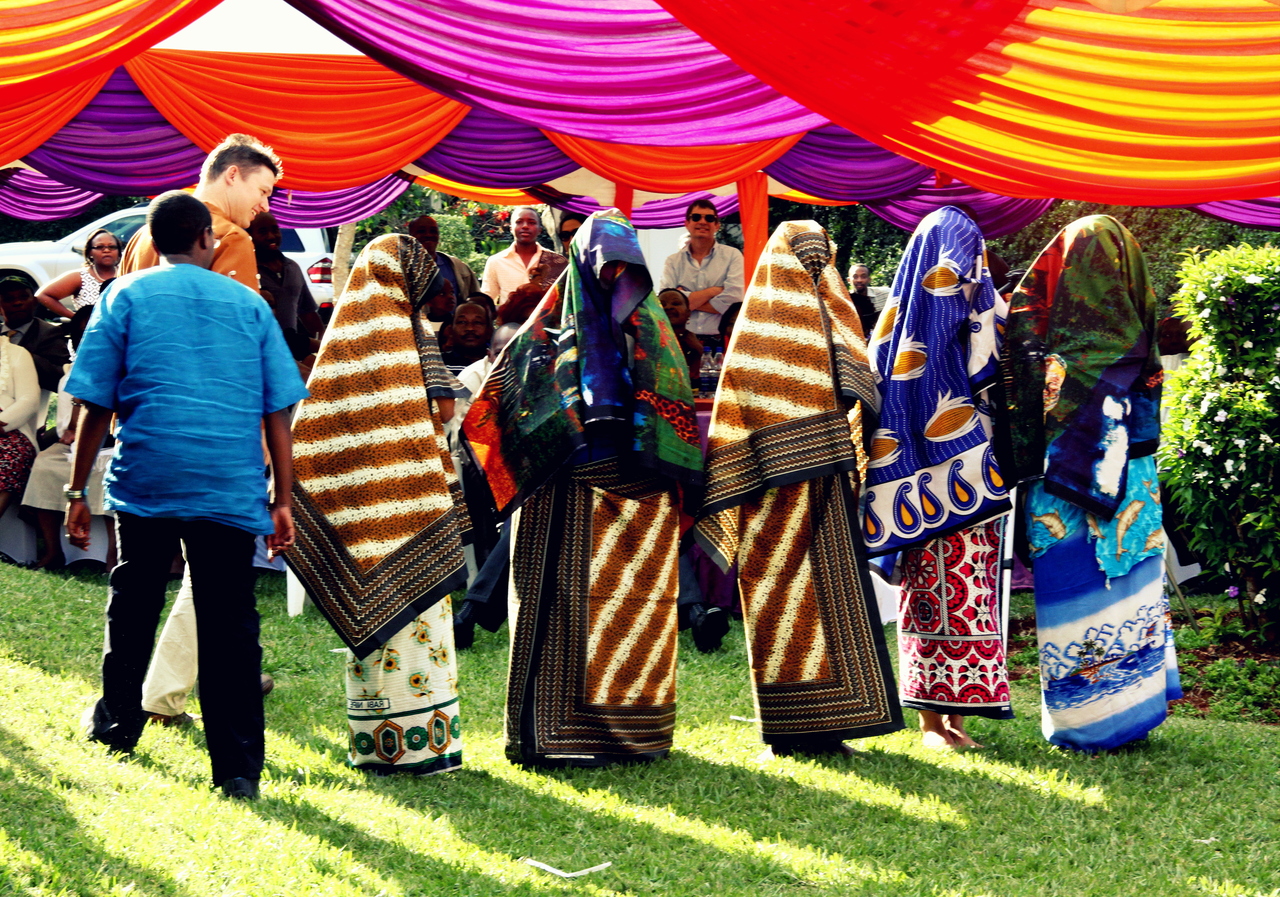
Traditional weddings are deeply rooted in culture and customs. In many communities, marriage is not only a union between two people but also a connection between two families. These weddings often involve several rituals, ceremonies and gatherings that may take days or even weeks. Elders play an important role in planning and guiding the process. Cultural practices such as bride price negotiations, traditional attire, blessings from family members and community celebrations are common. These weddings focus on honoring heritage, respecting family values and keeping cultural identity alive.
Another important aspect of traditional weddings is the sense of community. Relatives, neighbors and friends come together to help with preparations such as cooking, decorating and organizing events. The celebrations are usually large, lively and filled with music, dance and traditional foods. For many families, a traditional wedding is a matter of pride because it shows respect for their culture and ancestors.
On the other hand, modern weddings focus more on the couple’s personal preferences. Many couples today want their wedding to reflect their love story and unique style. Instead of following strict customs, they choose themes, venues and designs that match their personalities. Some prefer small and private ceremonies, while others plan destination weddings or outdoor events in gardens, beaches or hotels.
Technology has also changed modern weddings. Couples now send digital invitations, share their ceremonies through live streaming and use social media to document their special day. Wedding planners, photographers and event designers help create organized and stylish celebrations. Modern weddings often emphasize convenience, creativity and time-saving solutions.
Another difference is the cost and planning style. Traditional weddings may involve many people and cultural requirements, which can make them expensive and time-consuming. Modern couples sometimes choose simpler weddings to reduce costs and stress. Some even combine traditional and modern elements to create a balanced celebration that respects culture while allowing personal freedom.
Despite their differences, both traditional and modern weddings share the same purpose to celebrate love, commitment and the beginning of a new life together. Traditional weddings remind people of their roots and cultural identity, while modern weddings allow couples to express their individuality and adapt to changing lifestyles.
In the end, there is no right or wrong way to celebrate a wedding. What matters most is the meaning behind the ceremony and the happiness of the couple. As times continue to change, weddings will also continue to evolve, blending tradition and modern ideas to create celebrations that honor the past while embracing the future.