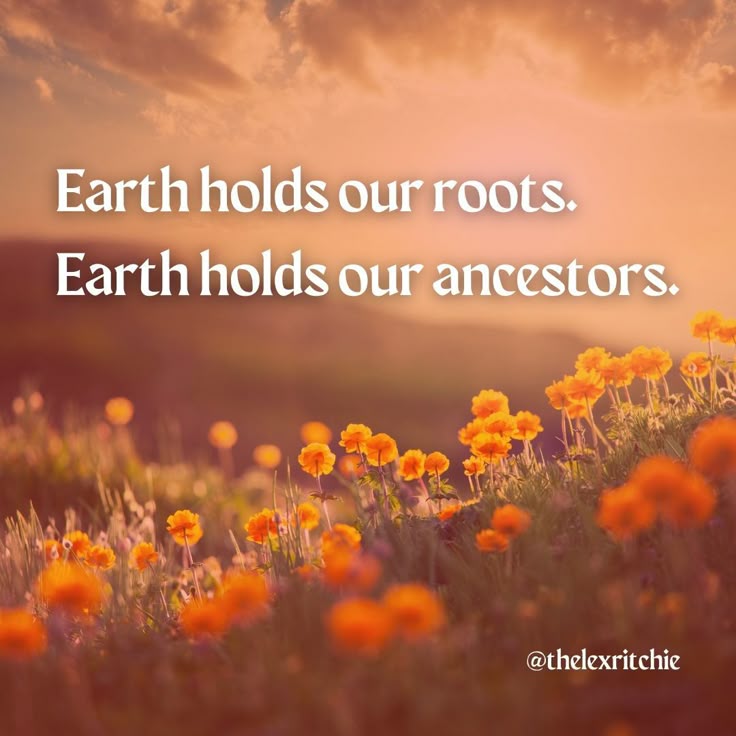
Before dawn, ancestors name was murmured. A bowl of food placed out for remembrance rather than superstition. The question of whether honouring ancestors is an act of faith or a betrayal of it is unsettling to millions of Christians in African, Asian and Indigenous cultures.
Because it lies at the intersection of identity and belief, this question is important. While culture demands memory, Christianity frequently demands devotion. Believers are forced to choose between the God they worship and the people who created them when the two seem to be at odds. Does respecting ancestors actually conflict with Christianity, or has this conflict been misinterpreted?
Ancestors are not considered gods in many Indigenous, Asian and African traditions. Their lives continue to influence the present as elders, witnesses and guides. Ancestral reverence is more about relationships than worship, it’s about remembering one’s origins, accepting sacrifice and realizing that the living are not alone. Honouring one’s ancestors means saying, “I am because we were.”
But Christianity has frequently made clear distinctions. Scripture commands us to “worship God alone,” and with good reason. However, the Bible is also filled with remembrance, memorials and history. Honor your father and mother” is a commandment, not a suggestion. A “great cloud of witnesses” is mentioned in Hebrews. Jesus himself is firmly rooted in a lineage that has been painstakingly traced through the ages. Fundamentally, Christianity does not have a memory allergy.
When reverence is taken for replacement, confusion results. Honouring ancestors means remembering before God, not praying in place of God. Many cultures look to their ancestors for perspective rather than power. Telling a tale, keeping a name or lighting a candle all demonstrate gratitude rather than overthrowing God. Fear that cultural customs weaken faith and that God is too frail to coexist with memory is what poses a threat rather than remembrance.
Christians who are immigrants are told that their beliefs and culture cannot coexist. Before they are even comprehended, indigenous religious expressions are written off as unbiblical. The soul is shattered when faith demands cultural amnesia.
The problem poses a more profound query rhetorically: Is Christianity really incarnated if it denies cultural habitation? Jesus entered a story, a people and a lineage. If God respected ancestry by entering it, perhaps Christians can follow suit carefully, passionately and obediently.
The goal of this discussion is to increase understanding, not to change doctrine. It’s important to have discernment. It is important to examine practices that involve coercion, fear or divine substitution. However, respect, thankfulness and remembrance are echoes of Christian belief rather than its adversaries.
Honouring ancestors involves recognizing that faith thrives in soil that has been enhanced by those who have come before you and standing at the connection of the past and present. Christians are not forced to choose between God and their ancestors. When memory is presented in humility, it becomes a testament to faith rather than a rival to it.