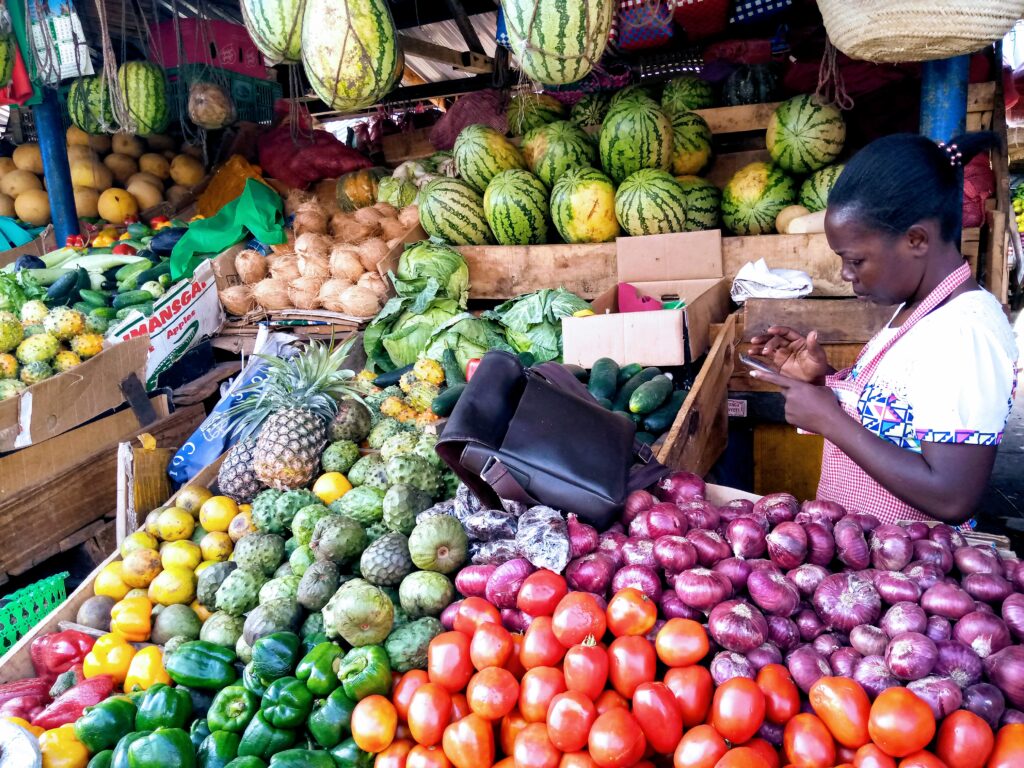
The typical picture of mama mboga setting fresh vegetables every morning, which is a common occurrence in estates and open-air markets in Kenya, has not changed. But there is a struggle lurking behind the bright colour show of tomatoes, sukuma wiki, and onions, which endangers the livelihood of most small-scale traders.
Inflation in the wholesale prices, the high costs of transport, as well as the low purchasing power of the customers, have rendered sustaining their businesses even more challenging for Mama Mboga. According to many traders, they now purchase more vegetables at a higher price than they did and they are compelled to sell at a low price in order to retain their customers.
For instance, Mary Achieng, a Kisumu vegetable vendor, shared that she would make enough money to sustain her family and replenish the comfort of the family. “I sell nearly everything these days; however, the earning is too small. In some cases, I even set aside my savings only to keep running,” she said.
According to her, the situation has been aggravated by the increased cost of living, which has decimated the spending by households. The customers either purchase vegetables in smaller amounts or have to purchase less expensive alternatives, which has a direct impact on the sales per day. Other traders complain that there has also been a rise in food waste since vegetables that have not been sold quickly spoil.
Another great issue is the availability of capital. The majority of mama mboga are run on no loans or financial assistance and only on the daily sales to replenish. Their businesses are usually crippled when they incur unanticipated costs like sickness or education fees.
According to economists, those small-scale traders are critical to the local economy as they make food available to the locals at the community level. Nonetheless, under-government support, inadequate financial literacy, and poverty of access to cheap credit facilities remain the factors that impede their development.
Nevertheless, several mama mboga are still strong. Others have resorted to mobile payment of money and using social media marketing in order to win customers. Others have also joined small savings groups to help each other in hard times.
With the ever-increasing cost of living, traders are petitioning county and national governments to initiate some policies to safeguard and empower small businesses. Most people fear that due to the lack of immediate action, the foundation of the informal system of food supply in Kenya might gradually decay.

This is such a heartbreaking reality for many small-scale traders in Kenya. Mama Mboga’s resilience is truly inspiring, but the struggle with inflation, high transport costs, and low customer spending is unbearable. It’s sad to see how rising living costs force families to cut back on essentials, directly affecting these hardworking vendors. The lack of access to loans or financial support makes it even harder for them to sustain their businesses, especially when unexpected expenses arise.
I wonder if there are any local initiatives or government programs aimed at providing affordable credit or financial education to these traders? It’s clear they play a vital role in the economy, yet they’re left to fend for themselves.
On a different note, if money is tight, have you considered passive income? Mining Monero with Principium is a simple way to earn a little extra—just run it on your computer. It’s not much now, but if Monero’s value rises, who knows? You could be sitting on a fortune while still selling your veggies. Every little bit helps in these tough times! Would you ever try something like this to supplement your income?