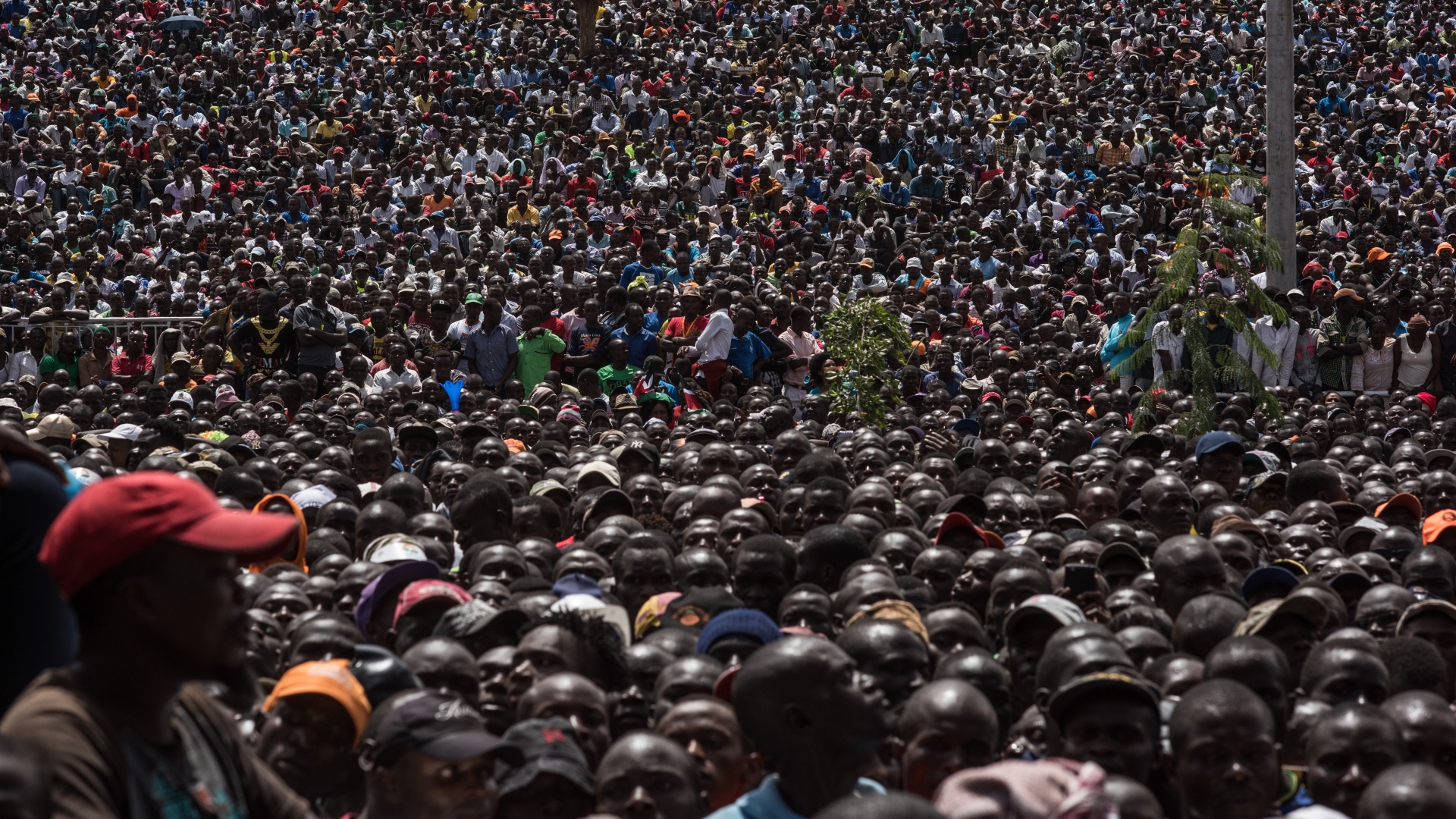
In our country politics applause has become cheap. It comes too quickly, too loudly and far too often without reflection. At political rallies, public gatherings and even in spaces that ought to demand higher standards of conduct, leaders make statements some insightful, others reckless and the response is almost always the same with cheers, claps and celebration.
But what exactly are we applauding? This culture of uncritical enthusiasm is quietly eroding the quality of our politics. When leaders are met with applause regardless of what they say, there is little incentive for them to choose their words carefully. Insults are cheered. Empty promises are celebrated. Divisive rhetoric is normalized. Over time, this creates a political environment where performance matters more than substance and where the loudest voice, not the most thoughtful one, wins the day.
Applause in itself is not the problem. It is a powerful tool of affirmation. It tells leaders that they are on the right track, that their message resonates and that they have the support of the people. But when applause is given indiscriminately without questioning the truth, intent or implications of what is being said it becomes dangerous. It rewards mediocrity and emboldens irresponsibility.
The consequences are already visible. Public discourse is increasingly coarse, marked by personal attacks rather than policy debates. Serious national issues are reduced to slogans and soundbites. Leaders learn quickly that they can say almost anything, so long as it excites the crowd. And the crowd, in turn, becomes a participant in lowering the bar.
We must ask ourselves a difficult question if we as citizens are contributing to the very political culture we often criticize? Democracy demands participation and vigilance. It requires citizens who listen critically, who question boldly and who refuse to be swept away by charisma or theatrics.
When a leader speaks, the responsibility of the audience is not merely to react but to reflect. Does what is being said promote unity or division? Does it offer solutions or simply stir emotions? Does it respect the dignity of others or does it undermine it?
Applause should be earned, not assumed. There is an urgent need to shift from passive spectatorship to active citizenship. This means creating a culture where leaders are held accountable in real time where harmful or misleading statements are met not with cheers, but with silence, skepticism or even respectful challenge. It means celebrating leaders who speak with integrity and substance withholding approval when they fall short.
Importantly, this is not about hostility or disrespect. Questioning leaders does not weaken democracy but it strengthens it. It signals that citizens are engaged, informed and unwilling to accept less than they deserve. It pushes leaders to rise above populism and to engage with the real issues affecting the nation.
Kenya stands at a critical moment in shaping its political culture. The power to influence that culture does not rest solely with those in office it rests with the people. Every cheer, every clap, every moment of silence sends a message.
If we continue to applaud everything as Kenyans we will continue to get anything. But if we learn to listen, to question and to respond thoughtfully, we can begin to demand and build a political culture that reflects our highest values rather than our lowest impulses.