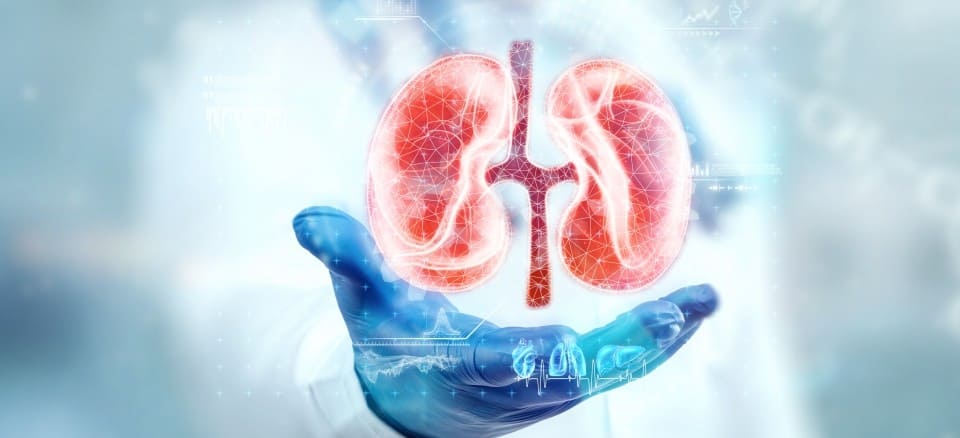
The kidney is an important organ that plays a key role in purifying the body and performing many other functions. However, there are many diseases that affect the kidneys and may result in complications and alter their normal function. This may result in kidney failure and other kidney-related issues. Sometimes, some of the conditions are brought about by our lifestyle and habits, such as excessive alcohol.
Let’s delve deeper into one kidney disease: chronic kidney disease (CKD), a progressive, long-term condition in which damaged kidneys cannot properly filter blood, leading to waste buildup and further damage to the kidneys. The disease is primarily caused by diabetes and high blood pressure. The primary function of the kidney is to clean blood by removing waste as well as the extra fluid that leaves the body in the form of urine. Blood pressure control and balancing of salt and minerals also happen here. The kidney is also responsible for making red blood cells and keeping the body strong, hence a very important body organ.
Healthcare professionals can find kidney disease through blood and urine tests. These tests look for high levels of waste in the blood or unusual things in the urine, such as protein or tiny amounts of blood. They also might use tests such as ultrasound or CT scans to look at the kidneys.
Treatment for chronic kidney disease aims to slow down damage to the kidneys. This is often done by managing the cause of the damage. But even after a cause has been found and treated, kidney damage could still get worse. Chronic kidney disease can progress to end-stage kidney failure. This is fatal unless a person gets a kidney transplant or starts dialysis, a treatment that does the job of the kidneys.
Early stages of chronic kidney disease are unnoticeable, as one may not be able to feel sick or have any symptoms, hence may not be in a position to tell whether they are sick or not, until the condition is advanced. Hence called Advanced Kidney Disease, that triggers kidney failure, causing; –
- High blood pressure
- Sleep problems
- Decreased mental sharpness
- Vomiting
- Nausea
Shortness of breath is caused by fluids that pile up in the lungs.
CKD symptoms tend to develop slowly over time. Waste may build up in the body as a result of loss of kidney function, hence a lot of acid, phosphate, and potassium build up in the blood.
Chronic kidney disease can develop due to several health and lifestyle factors. The major risk factors include diabetes and high blood pressure, which are the leading causes of kidney damage. Other conditions such as heart disease, smoking, and being overweight, can also increase the risk.
Additionally, genetic and demographic factors play a role. People with a family history of kidney disease, certain ethnic backgrounds, and older adults are more likely to develop the condition. Structural problems with the kidneys (changes in their shape or size) can also contribute.
Frequent use of medications that can harm the kidneys may further increase the risk.
Kidney disease can be prevented by adopting healthy habits and properly managing medical conditions. It is important to use over-the-counter medicines carefully, especially pain relievers like Ibuprofen (such as Advil and Motrin IB), because taking them in high amounts or for a long time can damage the kidneys.
Maintaining a healthy weight and staying physically active helps reduce the risk of kidney problems. Avoiding smoking is also important because cigarettes can harm the kidneys and worsen existing kidney damage.
People with health conditions that increase the risk of kidney disease, such as High Blood Pressure and Diabetes, should work closely with their healthcare providers to manage these conditions. This includes regular health checkups, monitoring blood pressure, following a low-sodium diet, and taking prescribed medications.