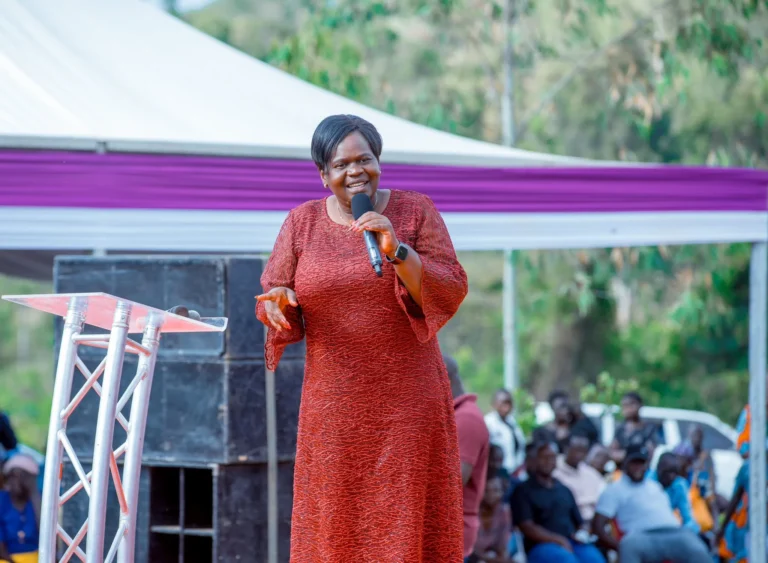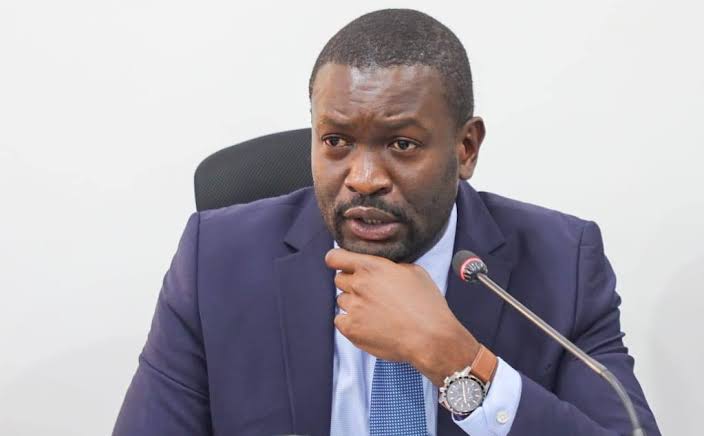
In a move rooted in symbolism and strategy, Nairobi County delegates of the Orange Democratic Movement (ODM) have endorsed Winnie Odinga to assume a key party role once held by her late father, Raila Odinga. The decision signals not only a generational transition within one of Kenya’s most influential political families but also an urgent effort to steady a party navigating internal tensions ahead of the 2027 elections.
Meeting at the Jaramogi Oginga Odinga Foundation in Nairobi on March 17, delegates from all 17 city constituencies, led by Nairobi ODM chair George Aladwa, formally backed Winnie to replace her father as the party’s delegate from Kibra a political stronghold synonymous with the Odinga name. The position automatically grants her entry into ODM’s powerful National Executive Committee (NEC) and Central Committee, where crucial strategic decisions are made.
For many within the party, the endorsement is less about inheritance and more about continuity. Raila Odinga’s decades-long influence shaped ODM’s identity, ideology, and grassroots machinery. With his absence leaving both an emotional and organizational vacuum, party insiders view Winnie’s elevation as a stabilizing bridge between legacy and renewal.
Aladwa went further, announcing plans to propose Winnie as one of ODM’s Deputy Party Leaders during the upcoming ODM National Delegates Convention 2026 scheduled for March 27, 2026. If approved, the move would place her among the party’s top decision-makers, a significant leap that underscores both her growing political profile and the urgency of consolidating leadership before the next electoral cycle.
Supporters argue that Winnie represents a new generation capable of modernizing the party while preserving its historical base. Critics, however, quietly question whether ODM risks appearing dynastic at a time when Kenyan voters increasingly demand broader representation. Yet even skeptics acknowledge her visibility, international exposure, and familiarity with party operations.
Beyond internal politics, the endorsement reflects ODM’s broader strategic calculations. As alliances shift and new power centers emerge nationally, maintaining cohesion within its urban strongholds especially Nairobi is critical. Kibra, long considered a political bellwether for the party, remains central to that effort.
Whether Winnie Odinga’s rise will unify factions or spark fresh debates remains to be seen. What is clear is that ODM is entering a transitional moment, one where memory, loyalty, and ambition intersect. As the party marches toward 2027, her ascent may prove to be either a stabilizing anchor or the beginning of a bold new chapter in Kenya’s opposition politics.