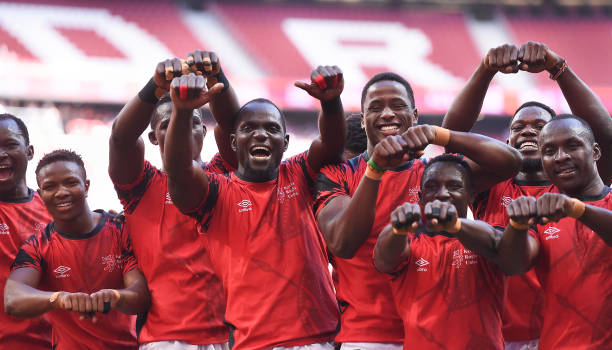
The gradual rise of Kenya in the global rugby has made the rugby world focus on the country, as the nation has been cited by World Rugby as a major contributor to the future development of rugby in Africa. The acknowledgement is a turning point for a country whose enthusiasm for the oval ball has never been hidden and now its structures are finally matching its desire.
Kenya has long been benefiting off of years of a robust school competition system, animated club competition, and a spicy national sevens circuit. The sport has also developed a strong and young fan base, starting with community screams at the games in full stadiums. That energy of the grassroots today is translating into better governance, better developmental route and more competitive performance in the continental and global arena.
The key to Kenya lies in its sevens program. Shujaa is the national men’s team that has delivered a memorable performance through the HSBC World Rugby Sevens Series and their performances have earned them respect in terms of speed, creativity and resistance against recognized rugby players. The Lionesses women’s team has also done their fair share which underscores the inclusiveness principle and equal growth and development of Kenya in the sport.
Youth systems are starting to yield in terms of investment, in addition to elite competition. High school and University leagues, training programs on referee and organized academies are empowering the grassroots to professional levels. Other counties like Kakamega, Nakuru, Eldoret and Kisumu have still been able to nurture talented players and Nairobi still serves as the administrative and commercial center of the game. Funding is becoming more stable in a sport that has traditionally had financial issues with strategic partnerships and greater corporate sponsorship.
Demographics may be the biggest strength of Kenya. Through the young population with a rich sporting culture the country can easily build on its young talent and grow participation throughout the country. Rugby is no longer only a way of having fun but a means of opportunity and national pride.
Challenges persist. Weak infrastructures, unstable league arrangements and sometimes governance differences continue to put the development at a snail’s pace. The Kenyan people will have to invest sustainably, be transparent and long-term planners to ensure that they transform promise into permanence.
Nevertheless, the worldwide attention indicates a wider change in the African rugby story. Although South Africa has been leading on the continent the emergence of Kenya is an indication that the industry is being diversified and new competition is being witnessed in the region.
With this kind of momentum, Kenya can determine the future of the rugby game in Africa as well as reinventing its role in the oval ball game, proving that the next banner of the oval ball will most definitely be pegged in East Africa.