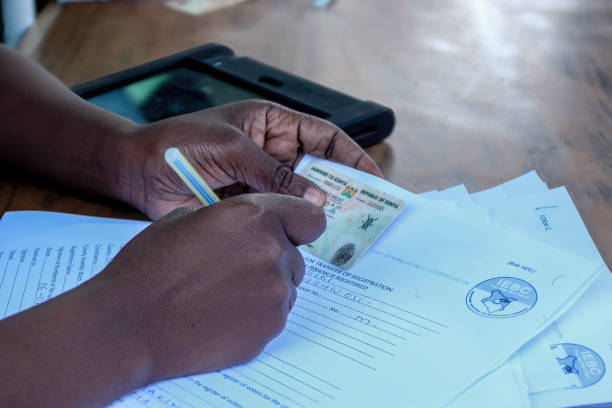
In Kenya today, a phrase is echoing across campuses, social media feeds and youth gatherings is “Niko Kadi” meaning “I’m registered.” What started as a catchy slogan has quickly transformed into a cultural movement, one that is reshaping how young people see their role in politics. For Gen Z and youth voters, “Niko Kadi” is more than a trend, it is a declaration of organization, a refusal to be sidelined in decisions that affect their future.
Kenya’s youth make up the majority of the population, yet historically, their voter turnout has been lower than older generations. This imbalance has left critical issues such as unemployment, education reforms, healthcare access and climate action underrepresented in national debates. By registering, young people are not just preparing to cast a ballot, they are ensuring that their voices are heard in shaping policies that directly impact their lives.
What makes “Niko Kadi” unique is how seamlessly it blends culture with activism. TikTok challenges, Instagram reels and Twitter hashtags have turned voter registration into something aspirational. It is no longer just a bureaucratic step, it is a badge of honor. Peer-to-peer encouragement is driving the movement, if your friends proudly say “Niko Kadi” you do not want to be left behind. This digital energy is translating into real-world impact, with more young people lining up at registration centers.
Youth participation carries immense value. Representation ensures that issues central to their generation are prioritized. Accountability means that a larger youth turnout forces leaders to deliver on promises. Legacy is built when registering becomes a habit, strengthening democracy for years to come.
The beauty of “Niko Kadi” lies in its simplicity. It is a reminder that democracy is not something distant, it is built by everyday choices. For Gen Z, registering to vote is the ultimate flex, it says I am not just scrolling, I am shaping the future.
As the general elections approach, the question is no longer whether young people care about politics. The real question is whether they will seize this moment to turn their numbers into influence. If you have not registered yet, ask yourself, Are you really part of the conversation if you are not “Kadi”?