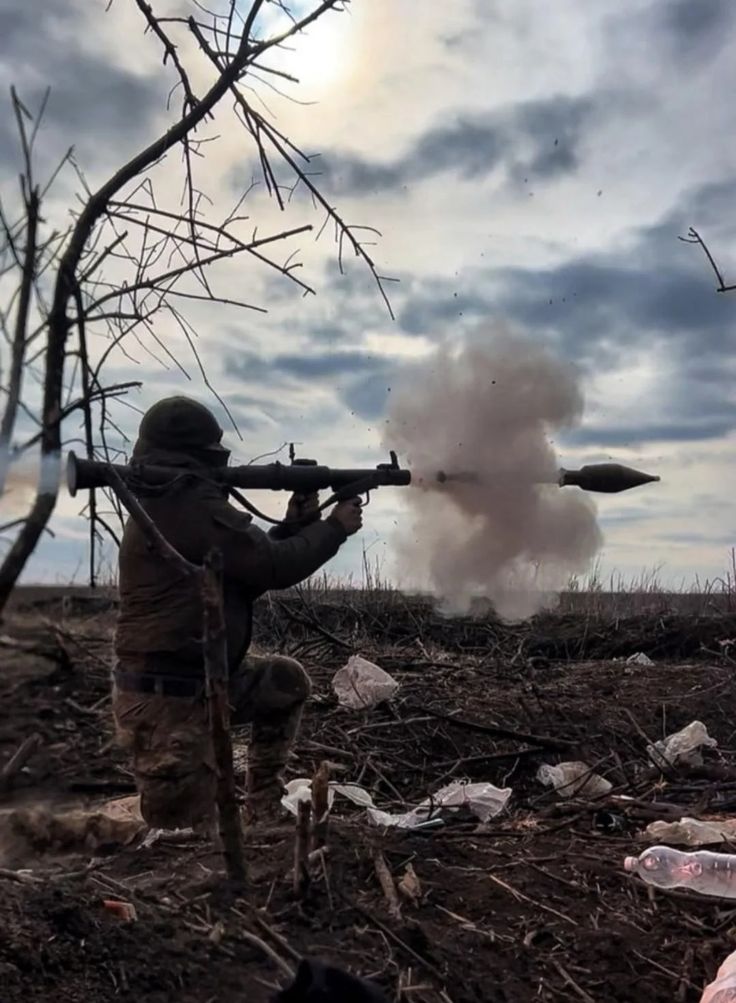
Kenyans being recruited to fight in the Ukraine war is not merely an international development but a deeply domestic concern that forces us to confront uncomfortable realities about our society. At face value, the issue may seem straightforward that adults of sound mind exercised their freedom to seek employment abroad. Yet this interpretation oversimplifies a situation shaped by economic pressure, institutional gaps and moral complexity. When young citizens view participation in a distant armed conflict as a economic opportunity, the problem begins long before they board a plane.
Kenya, like many developing nations, faces high youth unemployment and underemployment. Graduates leave universities with degrees but face a labor market that cannot absorb them. Others survive through informal work that offers neither stability nor long-term growth(hustlers). In such an environment, the promise of a well-paying foreign contract can feel transformative. Historically migration has symbolized hope and upward mobility, especially in communities where remittances sustain households. However, when the work in question involves direct participation in armed conflict, the calculus changes profoundly.
War is not simply another industry. It carries life altering consequences with physical injury, psychological trauma, moral injury and the possibility of death. Even for those who return, reintegration into civilian life can be complex and painful. Families endure prolonged uncertainty and communities absorb the emotional aftermath. The risks extend beyond individuals to the broader social fabric. For this reason, participation in foreign wars cannot be treated as a neutral employment decision.
If recruitment involved misrepresentation such as obscuring the nature of the work or exploiting language barriers, then the issue borders on exploitation. Economic desperation can distort consent. When options are limited, risky choices may appear rational. This does not absolve individuals of agency, but it does demand that we examine the structural conditions shaping their decisions. A society that offers limited pathways to dignity increases the attractiveness of dangerous alternatives.
The state bears a central responsibility in this matter. Effective oversight of international recruitment agencies is essential to ensure transparency, accountability and protection of citizens. Clear regulations, verified contracts and strict enforcement mechanisms are not bureaucratic formalities but they are safeguards against exploitation. Moreover, diplomatic engagement is necessary to monitor the welfare of nationals abroad and intervene where rights are compromised. Citizenship implies reciprocal obligation and protection is fundamental to that social contract.
Yet regulatory reform alone will not address the underlying problem. Sustainable solutions require investment in domestic opportunity. Expanding vocational training, supporting entrepreneurship, strengthening manufacturing and fostering innovation in emerging sectors are long-term strategies that reduce vulnerability. When young people perceive realistic prospects at home, the allure of hazardous work abroad diminishes significantly. Economic development, therefore, functions as both social policy and preventive security.
The recruitment of Kenyans into the Ukraine conflict ultimately exposes a convergence of global instability and local fragility. It highlights how economic strain can intersect with geopolitical conflict in ways that directly affect ordinary citizens. Rather than approaching the issue with blame or indifference, Kenya must treat it as a moment for reflection and reform. War should never become an employment alternative born of necessity. If it does, the responsibility lies not only with recruiters or distant governments, but with the structures that failed to provide safer choices at home.