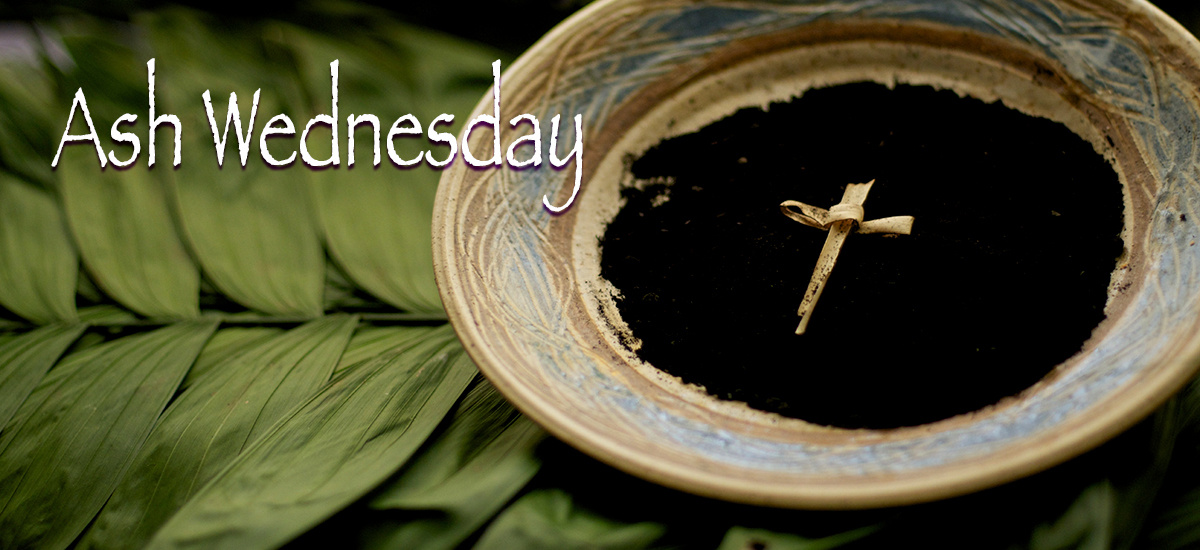
In a world driven by speed, ambition, and constant noise, moments of quiet reflection are becoming rare. Yet every year, the Catholic Church pauses the rush of life with a simple but powerful ritual: Ash Wednesday. For many believers, this day is more than a religious tradition. It is a profound reminder of humility, repentance, and renewal.
Ash Wednesday marks the beginning of Lent in the Catholic Church, 40 days of prayer, fasting, and reflection leading to Easter. During Mass, Catholics receive ashes on their foreheads in the shape of a cross as the priest says, “Remember that you are dust, and to dust you shall return.” These words are not meant to instil fear, but to inspire humility. They remind believers of life’s fragility and the importance of spiritual priorities over material pursuits.
What makes Ash Wednesday unique is its honesty. In a culture that constantly promotes self-promotion, perfection, and external success, the ashes symbolise human weakness and the need for grace. They acknowledge that everyone makes mistakes and that growth begins with recognising one’s imperfections.
Critics sometimes dismiss Ash Wednesday as a symbolic tradition without practical impact. However, symbols have power. The visible cross of ashes worn throughout the day often sparks conversations about faith, mortality, and purpose. It invites believers to carry their spirituality into public spaces, not just within church walls.
Moreover, Lent encourages discipline. Fasting, prayer, and acts of charity are not merely religious obligations but tools for self-control and compassion. In a society increasingly focused on instant gratification, the discipline of Lent teaches patience and sacrifice.
Ash Wednesday also promotes equality. Regardless of social status, profession, or wealth, every Catholic receives the same ashes and hears the same reminder of human mortality. In that moment, there are no titles or achievements, but only shared humanity.
Ash Wednesday challenges believers to realign their lives. It asks difficult but necessary questions: What truly matters? What needs to change? Where have we lost our way? These reflections are not limited to religion; they are universal human concerns.
Ash Wednesday remains a powerful and relevant tradition in the Catholic Church. In the midst of a distracted world, it offers stillness. In a culture of pride, it offers humility. And in a life filled with uncertainty, it offers hope through renewal. Whether one is deeply religious or simply observing, the message of Ash Wednesday speaks clearly: pause, reflect, and begin again



The Ashes remind us the truth that human life will not last forever