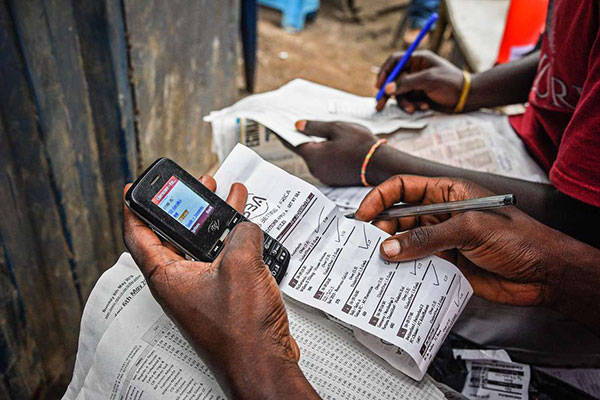
There is something unsettling about how normalized gambling has become in Kenya. It is advertised between football matches. It trends on social media. It is discussed casually among friends. Yet when it destroys savings, fuels debt and pushes young people into depression, the conversation suddenly goes quiet this silence is dangerous.
Many Kenyan youths are not gambling for entertainment they are gambling out of hope. Hope that one win could clear rent arrears. Hope that one correct prediction could pay school fees. Hope that tomorrow might finally feel easier than today but hope built on odds is fragile. In a country where unemployment remains high, betting looks like a shortcut to opportunity. It promises quick money in an economy where opportunities feel slow and scarce.
Yet for every winner celebrated online, there are many more quietly nursing losses. Yes, the industry is licensed and regulated by the Betting Control and Licensing Board. But regulation must mean more than issuing permits. It must include real protection, stronger awareness and accessible support systems for those who fall into addiction. Addiction is not weakness. It is not a moral failure. It is a public health issue that thrives in silence.
Parents are struggling quietly. Young people are battling shame privately. And as a society, we are hesitating to address it boldly because it is easier to applaud success stories than confront painful truths. Kenya has confronted other social challenges through public dialogue and policy reform. Gambling addiction deserves the same urgency.
If we continue to celebrate the wins but ignore the losses, we risk sacrificing a generation to a system that promises millions but often delivers misery. It is time to speak loudly, honestly and collectively.