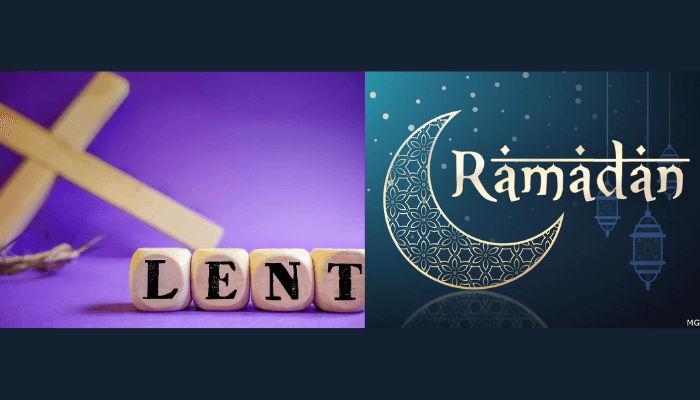
As the calendar turns, Christians worldwide prepare for the solemn season of Lent, a 40 day period of reflection, fasting and spiritual renewal leading up to Easter. Meanwhile, Muslims are gearing up for Ramadan, a month of fasting, prayer and community that brings millions together in devotion. It’s fascinating to consider these two major faiths coming together in their own ways to observe periods of introspection and spiritual growth.
While the practices and traditions differ, the underlying themes of self-discipline, compassion and connection with the divine are strikingly similar. For Catholics, Lent is a time to re-examine priorities, let go of distractions, and focus on what truly matters. Fasting, almsgiving and prayer are the pillars of this season, guiding believers towards a deeper understanding of themselves and their faith.
In a similar vein, Ramadan is a time for Muslims to renew their commitment to their faith, seeking forgiveness and cultivating gratitude. The fast from dawn to dusk is a physical reminder of the spiritual hunger that drives them closer to Allah. As these two communities embark on their respective journeys, it’s a poignant reminder that we’re not so different in our quest for meaning and connection.
In many ways, Lent and Ramadan are about stripping away the distractions and focusing on what truly matters. For Christians, it’s about embracing the simplicity of Christ’s message, while for Muslims, it’s about surrendering to the will of Allah. These themes of surrender and simplicity resonate deeply, transcending religious boundaries.
As we witness these two great faiths come together in their own ways, we can draw inspiration from each other’s traditions. The Catholic practice of giving up something for Lent, for instance, finds an echo in the Muslim concept of zakat or charitable giving. Similarly, the communal meals that break the fast in Ramadan mirror the communal aspects of Christian fellowship and shared meals.
But these similarities also raise important questions. In a world where interfaith understanding is more crucial than ever, how can we leverage these shared values to foster greater empathy and cooperation? How can the practices of one faith inform and enrich the practices of another?
One possible answer lies in the concept of spiritual companionship. As Christians and Muslims walk their respective paths, they can find common ground in their shared pursuit of spiritual growth. By engaging in dialogue, sharing experiences and learning from each other, they can deepen their understanding of their own faiths while cultivating a broader sense of community.
In the spirit of this companionship, let’s explore some of the specific practices and traditions that make Lent and Ramadan so meaningful. For Catholics, the Stations of the Cross, a devotion that commemorates Christ’s journey to crucifixion, is a powerful way to engage with the narrative of sacrifice and redemption. Similarly, Muslims use the month of Ramadan to recite the Quran, seeking guidance and wisdom from the sacred text.
These practices are not just individual acts of devotion but also gateways to a deeper sense of community. In Catholic churches, Lent is often marked by communal prayer, shared meals and volunteer work. Similarly, Ramadan is a time for Muslims to come together, share meals and engage in collective worship.
As we reflect on these shared values and practices, it’s clear that Lent and Ramadan offer us a profound opportunity for growth, connection and self discovery. By embracing the spirit of these seasons, we can transcend our differences and find common ground in our shared humanity.
Ramadhan and Lent is not about comparing or contrasting it is about recognizing the universal human quest for meaning and connection. As we journey through these sacred seasons, let’s strive to be more compassionate, more understanding and more open to the wisdom that lies beyond our own tradition.



Ramadhan and Lent is not about comparing or contrasting it is about recognizing the universal human quest for meaning and connection