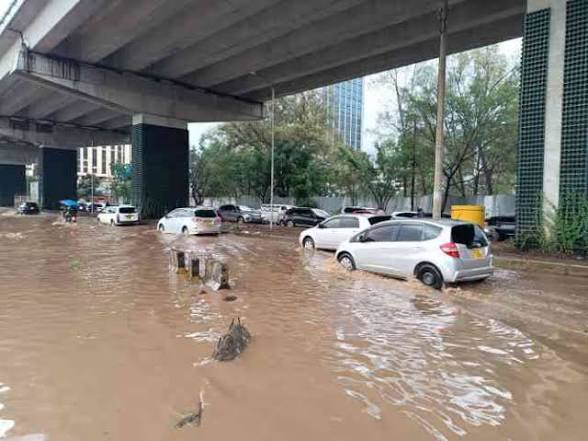
Heavy downpours in Nairobi bring the usual chaos. Water rushes where roads should be, buses stop moving, shops shut before time, while people near valleys rush to block water from doorways. Cars stuck in deep water, soaked yards – these images flash across the news every storm season. Yet the real problem isn’t the clouds above; it’s how nothing shifts on the ground, no matter how often it happens.
Flooding in Nairobi now goes beyond storms.
This situation ties directly to how leaders manage the city. Pipes meant to carry water away often fail – some are too old, others are choked by trash or new structures built without planning. When downpours hit, concrete covers spots where streams used to flow freely through land once left open. Houses and shops occupy low-lying zones that absorbed runoff years ago, pushing water into streets instead.
When cities spread fast, their basic services often lag. Roads stay narrow while people multiply, drainage fails under heavy rain, and trash piles up where it should not. Along rivers and low spots likely to flood, makeshift homes rise without warning signs posted. Storms grow stronger – families find themselves in harm’s way before they can react.
Heavier downpours now arrive without warning, squeezing into fewer days across Kenya. That shift sharpens the damage already building from climate pressures. Scientists have sounded alarms, but preparation drags behind schedule. Attention sticks to what happens right after – the stranded cars, rushed evacuations, handouts that fade fast. Slow decisions linger while storms grow bolder.
Nairobi must act before problems grow. Fixing blocked drains helps lower flood danger, especially when paired with strict land-use rules. Wetlands need guarding because they absorb excess rainwater naturally. Upgraded stormwater systems also make a difference where downpours are heavy. Some big cities already adjusted their underground flow routes as weather patterns shifted.
Flood after flood, Nairobi faces a quiet reckoning. What if the next rainy season pushes things too far? One storm shouldn’t bring a major city to its knees. The real issue isn’t just water – it’s waiting until tragedy forces change.