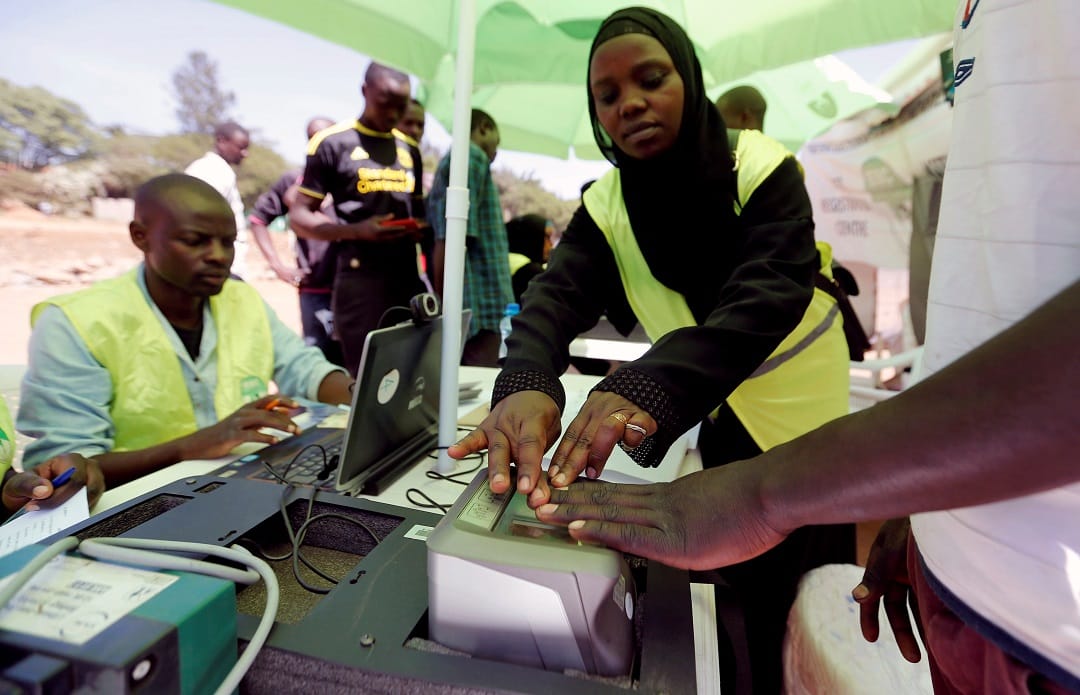
Every election season in Kenya comes with enormous national effort. Ballot papers are printed, polling stations prepared, election officials trained and security arrangements put in place. All of this is funded by taxpayers. Yet, despite these preparations, a significant number of registered voters fail to show up on voting day. This raises a difficult but necessary question of whether there should be consequences for those who register to vote but do not participate without a valid reason?
Voting is often described as a democratic right and it absolutely is. But rights and responsibilities are closely linked. When a citizen chooses to register as a voter, they are not just expressing interest but also they are effectively committing public resources. The government plans elections based on the number of registered voters, including how many ballots to print and how many polling stations to allocate. When large numbers fail to vote, it results in wasted materials, time and money.
Elections are among the most expensive public exercises. In a country where resources are already stretched and many sectors like healthcare, education and infrastructure urgently need funding, inefficiency in election planning becomes more than just a logistical problem and a question of fairness. Why should taxpayers bear the cost of unused ballots and underutilized polling stations?
Introducing penalties for unjustified voter absenteeism could encourage a culture of civic duty. It would send a clear message that participation in democracy is not only a right but also a responsibility. Such a policy would not need to be harsh or punitive. Even modest measures like small fines or administrative consequences could significantly increase turnout by nudging citizens to take their commitment seriously.
Of course, any such system must be fair and humane. There are legitimate reasons why someone might fail to vote such as illness, emergencies, travel constraints or any other unavoidable circumstances. These should be clearly defined and respected. The goal is not to punish citizens unfairly but to promote accountability among those who simply choose not to participate after committing public resources.
Some may argue that forcing participation undermines freedom. That concern deserves attention. However, the proposal is not about forcing people to vote for a particular candidate. In this way, individual freedom of choice remains intact while reinforcing civic responsibility.
Other countries have adopted similar approaches with success. In places where voting is compulsory or strongly enforced, turnout rates are significantly higher and elections tend to reflect a broader cross section of society. Kenya could adapt such ideas in a way that suits its own democratic context.
Ultimately, democracy works best when citizens actively participate. Registering to vote is a promise and signal that one intends to take part in shaping the nation’s future. When that promise is repeatedly broken without good reason, it weakens the system and wastes valuable resources.
Encouraging accountability among registered voters is about strengthening democracy, respecting public resources and ensuring that every election truly reflects the voice of the people.