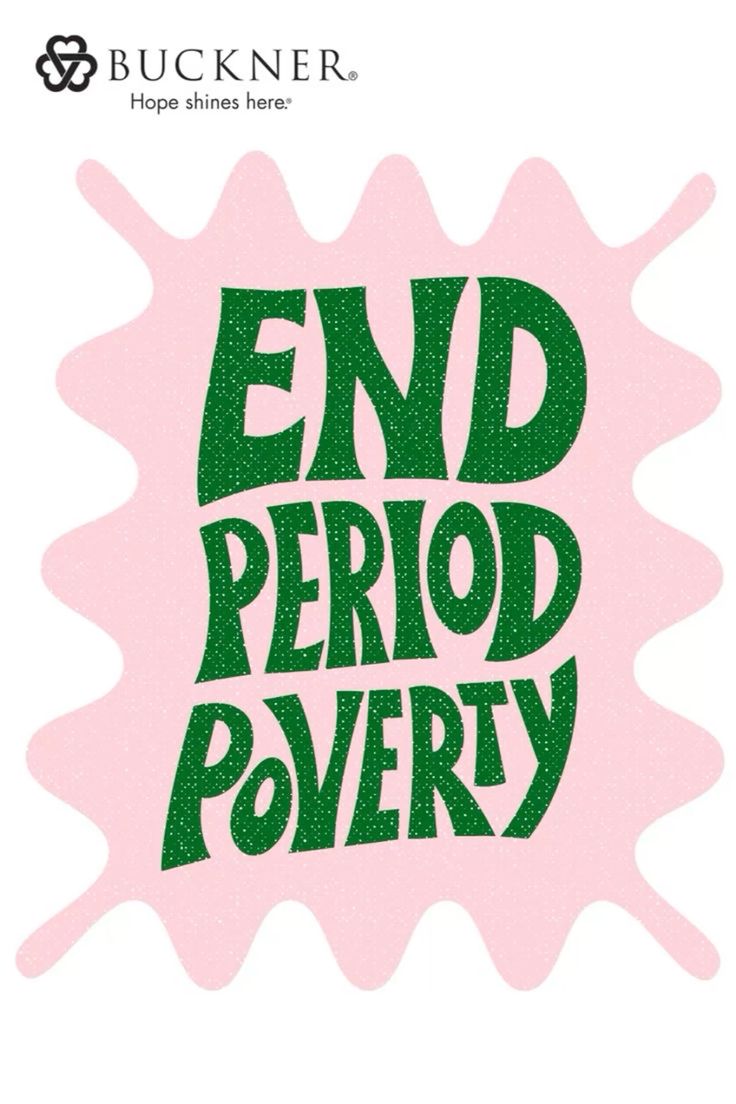
Period poverty, the lack of access to menstrual products and safe sanitation, continues to rob girls of their dignity and education. Despite government pledges to provide free pads in schools, many families still face the harsh reality of having to choose between food and menstrual supplies. The silence surrounding menstruation, coupled with stigma, makes the problem even harder to confront.
In rural communities, girls often resort to unsafe alternatives like rags, leaves, or even mattress stuffing. These practices expose them to infections and reinforce the shame associated with menstruation. Teachers report that absenteeism spikes during “that time of the month,” with girls missing up to a week of classes every term. This gap widens the educational divide between boys and girls, limiting future opportunities.
Grassroots organizations have stepped in, creating community pad-making projects and running awareness campaigns. In Nakuru, youth-led groups teach girls how to make reusable pads and encourage open conversations about menstruation. These efforts not only provide practical solutions but also challenge cultural taboos, giving girls the confidence to reclaim their voices.
However, sustainable change requires more than community initiatives. Experts argue that schools must integrate menstrual health education into curricula, while policymakers should ensure consistent funding for pad distribution programs. Partnerships between government, NGOs, and private companies could expand access to affordable products, while breaking the silence in classrooms would normalize menstruation and reduce stigma.
Period poverty is more than a health issue , it is a barrier to equality. The crisis reflects the urgent need for sustained action: affordable products, honest conversations, and supportive policies. Until menstruation is treated as a normal part of life rather than a source of shame, countless girls will continue to bleed in silence, their dreams interrupted by something as natural as growing up.