What would the world look like if women and girls everywhere were able to fully enjoy their rights, access justice, and participate equally in shaping their futures? It is a question that continues to shape global discussions on gender equality. As the world marks International Women’s Day, many countries are reflecting on both the progress that has been made and the challenges that still stand in the way of full equality.
Across the world, women continue to face systemic barriers that limit their access to education, leadership, justice, and economic opportunities. Despite years of advocacy, policy reforms, and global commitments, gender inequality remains deeply rooted in many social, political, and institutional systems. In many countries, women are still underrepresented in governance and leadership positions. At the same time, many continue to face gender-based violence and structural challenges that restrict their ability to participate fully in decision-making processes that shape their lives and communities.
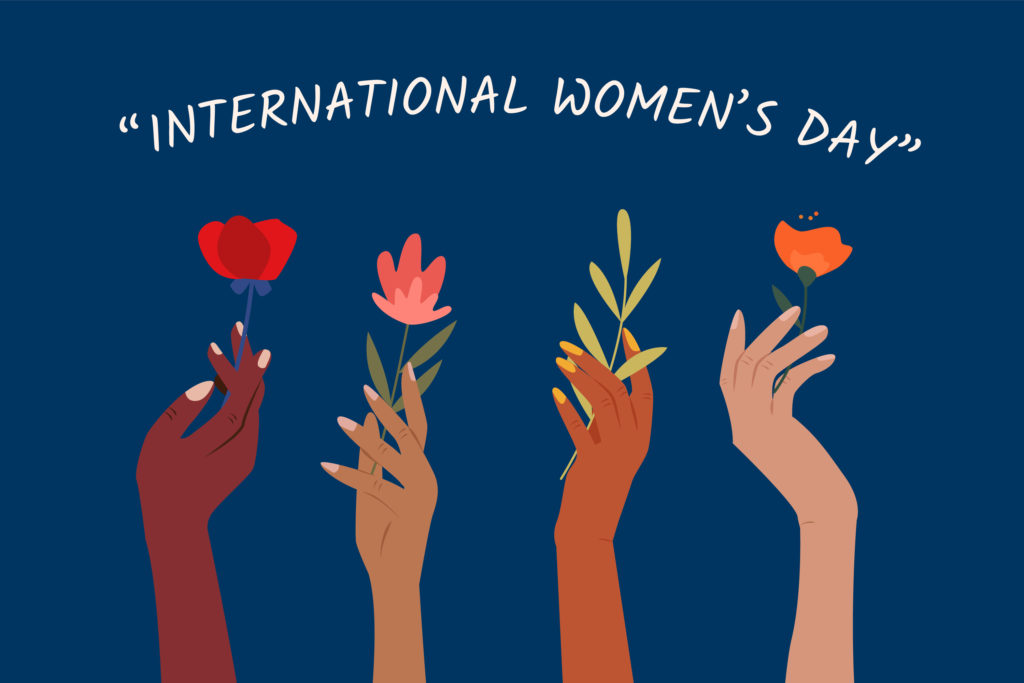
These concerns are central to global reflections during International Women’s Day, which this year is being observed under the theme “Rights, Justice and Action for All Women and Girls.” The theme is a call for stronger and more practical efforts to ensure that women and girls are not only protected by law but are also able to fully enjoy their rights and access fair justice systems. It emphasizes the importance of moving beyond promises and turning commitments into real actions that address gender inequality across every sector of society.
While progress has been made through legislative reforms and policy initiatives in many parts of the world, significant gaps remain when it comes to implementation. In Kenya, for example, efforts to promote gender equality have grown in recent years, yet many women still face barriers when it comes to accessing land and property rights, securing economic opportunities, and participating fully in governance and public leadership. Cultural expectations and long-standing social norms also continue to influence how women are perceived in leadership spaces, making it harder for them to advance in political and institutional environments.
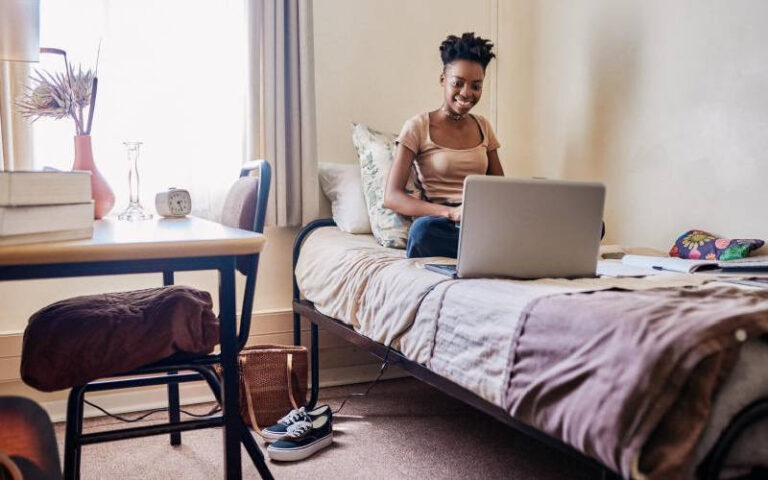
Education remains one of the most powerful tools for advancing gender equality. When girls are educated, they gain the skills, confidence, and opportunities needed to shape their own futures. However, in many regions, girls still face obstacles that affect school enrolment and completion. Issues such as early marriage, teenage pregnancy, and poverty continue to disrupt education for many young girls. When girls are unable to complete their education, it reduces their chances of pursuing professional careers, leadership roles, and economic independence later in life.
Health and safety issues also remain major concerns. Gender-based violence continues to affect millions of women and girls around the world, undermining their wellbeing and limiting their ability to participate fully in social and economic life. Violence not only threatens the dignity and safety of women but also affects families, communities, and national development. Addressing these challenges requires stronger protection systems, accessible justice mechanisms, and greater awareness within communities.
Experts continue to stress that gender equality is not only a women’s issue; it is a broader development priority. When women are able to participate fully in economic, social, and political life, societies benefit from a wider range of ideas, experiences, and leadership perspectives. Inclusive leadership often leads to stronger institutions, better policies, and more sustainable development outcomes.
The call for “Rights, Justice and Action for All Women and Girls” therefore highlights the importance of collective responsibility. Governments, institutions, civil society organizations, and development partners all have a role to play in ensuring that women and girls are empowered not only in policy documents but also in everyday life. Strengthening legal protections, expanding leadership opportunities for women, and creating safe and inclusive environments remain critical steps toward building a more equitable future.
Advancing gender equality ultimately requires more than words and commitments. It requires consistent action, sustained investment, and the willingness to challenge barriers that continue to limit women and girls. As the world marks International Women’s Day this March, the message is clear: real progress will come when rights are protected, justice is accessible, and opportunities are open to all.