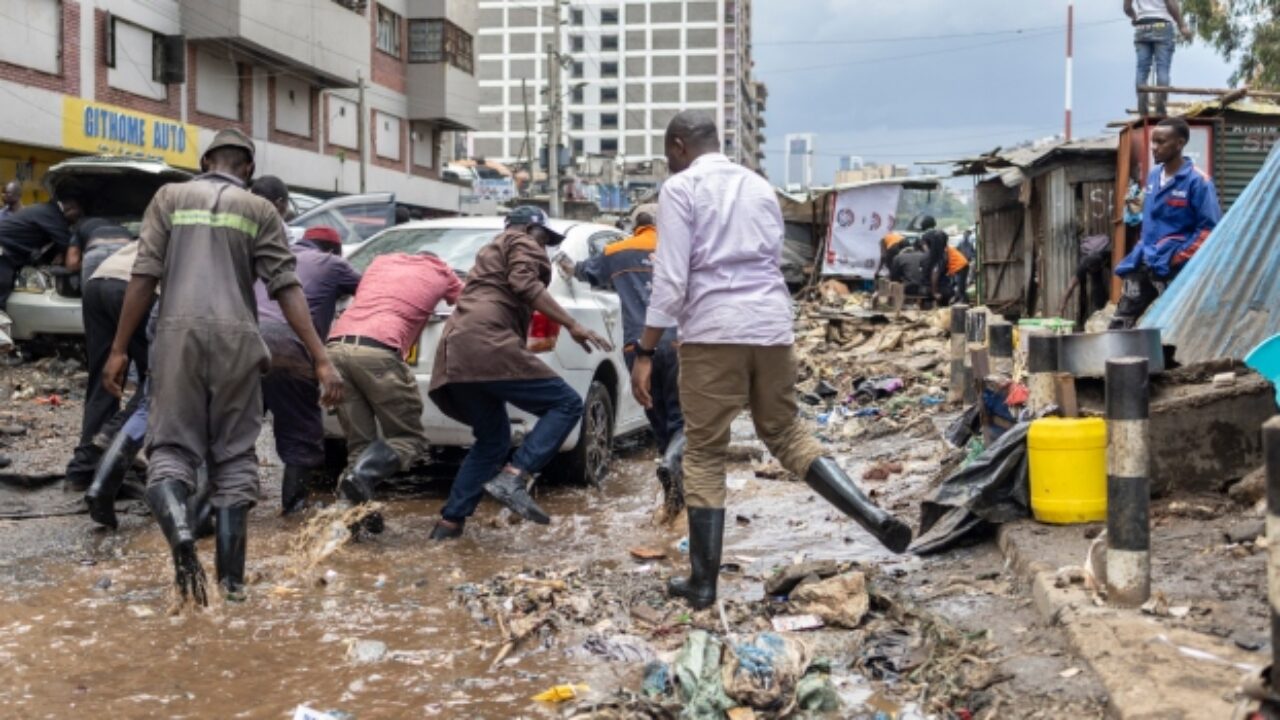
As heavy rains continue to be experienced in many parts of the country, including its capital, Nairobi, in early March 2026, the Ministry of Health in Kenya has sounded a nationwide health alert, warning that the ongoing floods could trigger dangerous disease outbreaks if urgent precautions are not taken.
The heavy downpour that occurred on 6 March 2026 resulted in flooding, which caused significant destruction and displacement. As a result, many people have been left vulnerable to a growing public health crisis. According to Government Reports, at least 23 to 25 people have lost their lives due to the floods, while thousands have been forced to leave their homes. Roads, homes, and sewage drainage systems have been heavily damaged, increasing the likelihood of disease spread.
The disaster brought everything to a standstill in the Central Business District (CBD), sweeping away vehicles and forcing many Kenyans to walk through dirty and contaminated water. With continued rainfall, health officials warn of serious disease outbreaks due to contaminated water and damaged sanitation systems caused by flooding. With drainage systems overwhelmed and clean water sources compromised, residents face an increased risk of contracting waterborne and vector-borne diseases.
The Ministry of Health has warned about the potential spread of illnesses such as cholera, typhoid fever, dysentery, Rift Valley fever, and malaria. This is largely due to stagnant water left behind by the floods, which often creates breeding grounds for mosquitoes and increases the risk of malaria transmission.
The government has responded to the situation by activating emergency response measures aimed at protecting residents from both the floods and potential health threats. The Ministry of Health has also directed all sub-counties to establish emergency response centres, public information desks, and rapid response stations. These centres intend to coordinate rescue efforts, provide medical assistance, and educate the public about disease prevention. Other measures have included the deployment of the Kenya Red Cross, alongside the Kenya Defence Forces Rapid Response Unit, to help contain the situation in the city.
Many Kenyans have raised their voices, questioning the county government on how it is handling the situation. They claim that many lives were lost in the past due to similar incidents and fear that history is repeating itself. Eric Omondi is among those who have boldly spoken out, urging the government to implement lasting solutions to prevent such disasters from happening again.
Areas at risk of contamination from these diseases are mainly those heavily affected by the floods. These include Industrial Area (Grogan), Lang’ata, South B, South C, Parklands, Westlands, and areas along the Eastern Bypass. Residents are advised to boil or treat all drinking water before consumption, maintain high standards of hygiene, and avoid consuming food that may have been exposed to contaminated water.
Authorities have also warned people against attempting to cross swollen rivers or flooded roads, as strong currents can easily sweep away pedestrians and vehicles. There is also a need for community awareness and cooperation in preventing a secondary health crisis.
Amid escalating tension caused by the floods, the government has reiterated its commitment to protecting lives from hidden health risks while prioritising the safety of Kenyans.