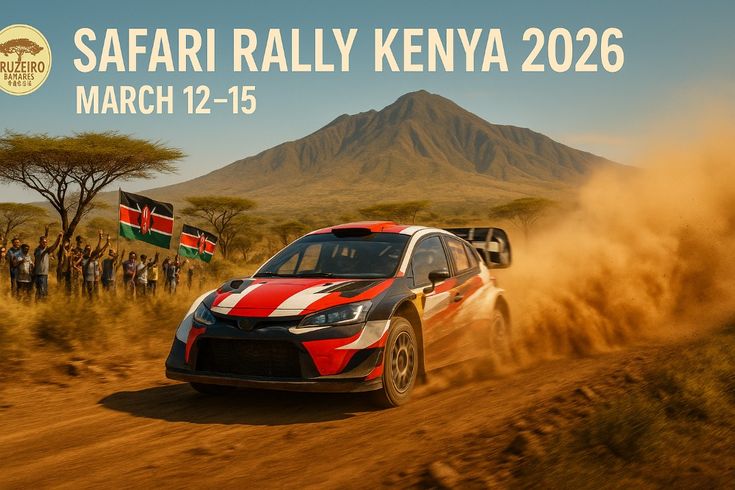
As the first light of dawn breaks over the rugged edge of the Rift Valley, a deep, rumbling growl echoes through the acacia trees. It’s not the fierce roar of a lion, but the powerful scream of a turbocharged engine during the WRC. In Naivasha, the air is no longer filled with just the scent of rain or lake water; it now carries the sharp, metallic smell of burning rubber and the fine, dusty chaos of “fesh-fesh” dust. Once a year, this quiet lakeside town sheds its tranquility and becomes the vibrant center of global motorsport.
The Safari Rally, once a grueling journey across an entire continent, is now a concentrated burst of excitement. However, its impact on Kenya is as vast as the sprawling savannah itself. Beyond the thrill of cars soaring over Elmenteita’s jumps, a profound transformation is taking place in the lives of the people who call this land home.
Take, for example, the vendor with her roadside stall on the outskirts of the spectator areas. For her, the rally isn’t about technical details or aerodynamics; it’s about the influx of hungry fans. The economic boost from the rally is tangible. From luxury lodges to humble Airbnb hosts and “boda boda” riders navigating through traffic, the financial benefits ripple through the community. In a world of digital transactions, the rally injects a tangible flow of cash into the local economy, turning a weekend of sport into a season of prosperity and progress.
But at what cost does this speed come? Surprisingly, the rally has become a pioneer for the “Green Safari” movement. For every kilometer of dust kicked up, thousands of trees are planted in the soil. It’s a unique paradox: a motorsport event that promotes reforestation. The legacy of the Safari Rally is no longer just seen in tire tracks but in the growing canopy of indigenous trees that will shade Naivasha long after the event is over.
The rally also serves as Kenya’s most powerful marketing tool. With high-definition cameras capturing images of the majestic Sleeping Warrior hill and the steam plumes of Geothermal wells, the “Visit Kenya” brand receives global exposure. It’s a four-day live showcase of a country that is modern, organized, and breathtakingly beautiful.
As the dust settles and the transporters head back to Nairobi, a quiet calm returns. The roar may fade, but its impact remains. It lingers in the improved roads, the boosted incomes of local businesses and the pride of a nation that has once again proven its ability to host one of the toughest races on Earth. The Safari Rally is more than just a race; it’s a time of abundance. It’s when the wild terrain of the Rift Valley transforms from a barrier into a bridge connecting Kenya to the world.