At first, it sounds like one of those stories you laugh at and move on from. Someone getting arrested for smuggling ants doesn’t exactly sound like breaking news. It almost feels too small to matter. But the more you look into it, the less funny it becomes.
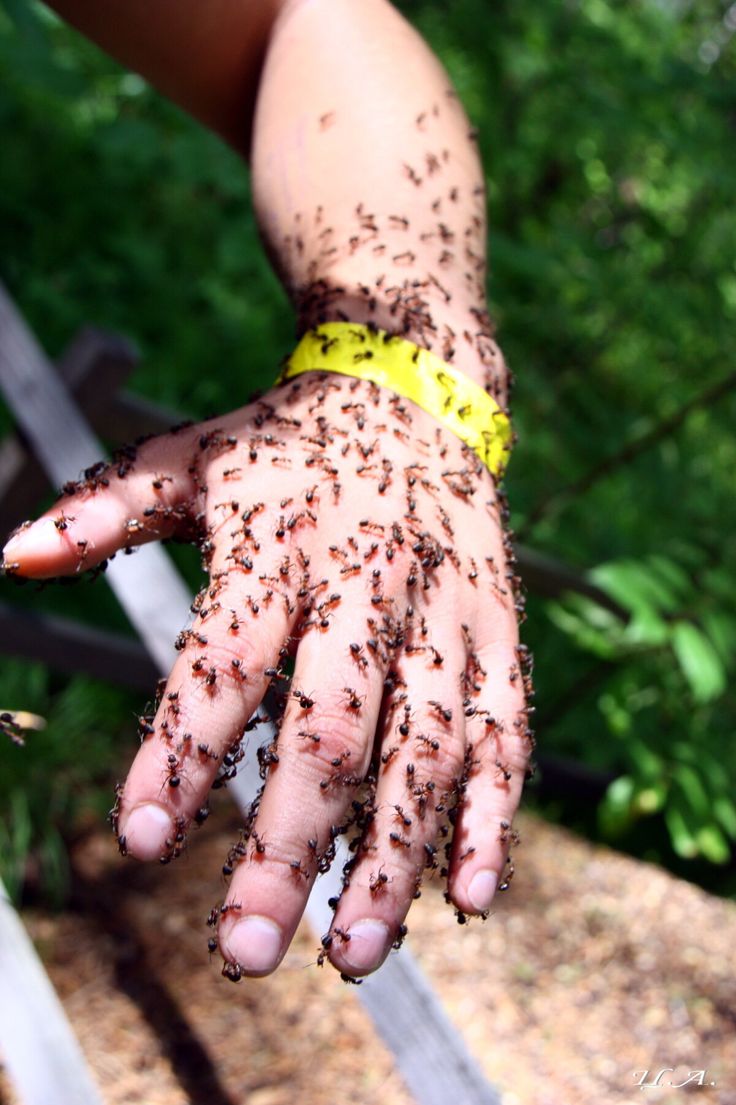
Over the past year, Kenya has quietly become a hotspot for a very unusual kind of trafficking the illegal trade in ants. Not just a few insects scooped from the ground, but thousands of carefully collected, packaged and transported ants, most of them alive.
In one recent case at Jomo Kenyatta International Airport, a suspect was found with over 2,000 ants hidden in his luggage. In another, authorities intercepted thousands more destined for foreign markets. These are not isolated incidents. Just last year, four people were convicted after being caught with more than 5,000 ants, a haul that was estimated to be worth over a million shillings locally and significantly more once it reached buyers abroad. It raises an obvious question: what exactly makes ants so valuable?
The answer lies in a niche but growing global hobby known as ant-keeping. In parts of Europe and Asia, collectors are willing to pay good money for rare ant species, especially queen ants. A single queen is capable of starting an entire colony, which makes her the most prized part of the trade. Species found in East Africa, like the large harvester ants, are particularly attractive because of their size, behavior and adaptability. To a collector, owning one is like having a tiny, self-sustaining world in a glass container. To traffickers, it is an easy way to make quick money from something that costs nothing to collect.That is where the problem begins.
For a long time, conversations about wildlife trafficking in Kenya have focused on the big, visible animals elephants, rhinos, and lions. These are the species that attract headlines and international outrage. But what is happening now shows a shift. Traffickers are turning to smaller, less obvious species that are easier to move and less likely to be detected. Ants fall perfectly into this category. They are tiny, silent, and easy to hide, yet surprisingly profitable. It is a low-risk, high-reward situation, at least for those who think they won’t get caught.
But ants are not just insects you brush off your kitchen counter. They play a quiet but critical role in the environment. They help aerate the soil, making it more fertile. They disperse seeds, contributing to plant growth. They also control other insect populations, keeping ecosystems balanced. Removing them in large numbers may not cause immediate visible damage, but over time, it can disrupt entire ecological systems. The danger with something this small is that its absence is not immediately noticed, and by the time it is, the damage may already be done.
What is perhaps even more concerning is how little awareness there seems to be around this issue. Some of those arrested have claimed they did not know that collecting and exporting ants was illegal. Whether that is true or not, it points to a gap in public understanding. When people see ants as worthless or ordinary, it becomes easier to justify taking them. After all, how harmful can it be? That mindset needs to change.
If Kenya is to get ahead of this trend, it cannot treat ant smuggling as a minor or amusing crime. The authorities will need to adapt just as quickly as the traffickers have. This means improving surveillance at airports and border points, not just for large or obvious contraband, but also for small, unusual shipments. It also means strengthening penalties so that they reflect the true value of what is being taken. If someone stands to make thousands of dollars from a suitcase of ants, then a light fine is unlikely to act as a deterrent.
At the same time, there is an opportunity here that Kenya should not ignore. The fact that there is an international market for these species means they have economic value. Instead of allowing that value to be exploited illegally, the country could explore regulated and sustainable ways of participating in that market. With proper systems in place, Kenya could benefit from its biodiversity while still protecting it.
In the end, this story is about how we value the natural world around us. It is about how something small and easily overlooked can suddenly become a target once someone, somewhere, decides it is worth money. And it is a reminder that conservation is not only about protecting the big, visible animals that make headlines, but also the tiny creatures that quietly hold ecosystems together.
Because if we are not careful, we may one day realize that even the smallest pieces of our environment have been taken, one by one, until there is nothing left to protect.