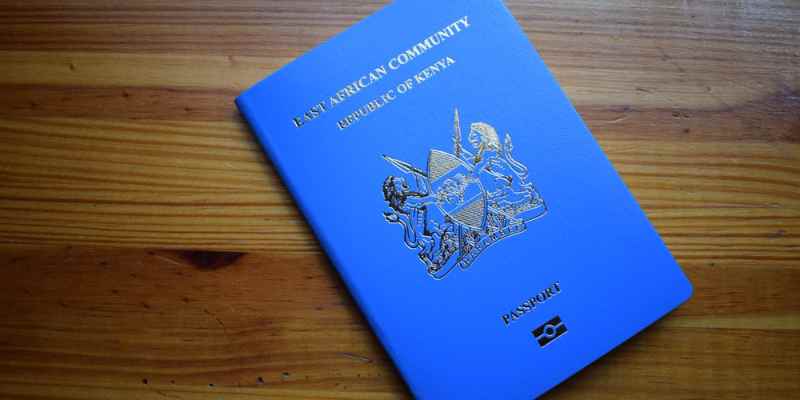
Public outrage continues to mount following revelations that Kenyan passports may have been issued to foreign nationals with questionable backgrounds, prompting legal action against the government. At the center of the controversy is advocate Peter Wahinya, who has formally demanded transparency from the Department of Immigration Services over what he terms serious breaches of the law.
Wahinya questioned the Kenyan government’s silence after claims emerged that passports were allegedly issued to individuals linked to Sudan’s Rapid Support Forces, as well as a Zimbabwean business tycoon reported to have a criminal history. The revelations have sparked widespread concern about national security, immigration integrity, and accountability within government institutions.
Wahinya has since served a demand letter to the Department of Immigration Services, addressed to the Director General, Evelyn Chelugette. In the letter, he invokes Article 35 of the Kenyan Constitution, which guarantees citizens the right to access information held by the state.
According to Wahinya, the demand seeks full disclosure on the passport application processes for 28 specifically named individuals. He is requesting detailed records, including internal correspondence, approval documents, and any investigation reports related to the issuance of the passports. The letter also asks for explanations on how standard procedures may have been bypassed.
Normal passport issuance to foreign nationals involves rigorous vetting. This process typically includes background checks conducted by the National Intelligence Service, verification of legal residency, and clearance through multi-agency vetting committees. Wahinya alleges that these safeguards were ignored or deliberately circumvented in the cases under question.
Attention has also turned to the chain of command within the Ministry of Interior and National Administration, which oversees immigration matters. Those identified as part of the decision-making structure include the Interior Cabinet Secretary, Kipchumba Murkomen, the Principal Secretary for the State Department of Immigration, the Director General of Immigration, and various vetting committees involved in passport approvals. Will the government provide the transparency required by law, or will silence persist in the face of growing public concern? For Wahinya and many Kenyans watching closely, the issue is no longer just about passports, it is about trust, national security, and whether constitutional rights to information will be respected.