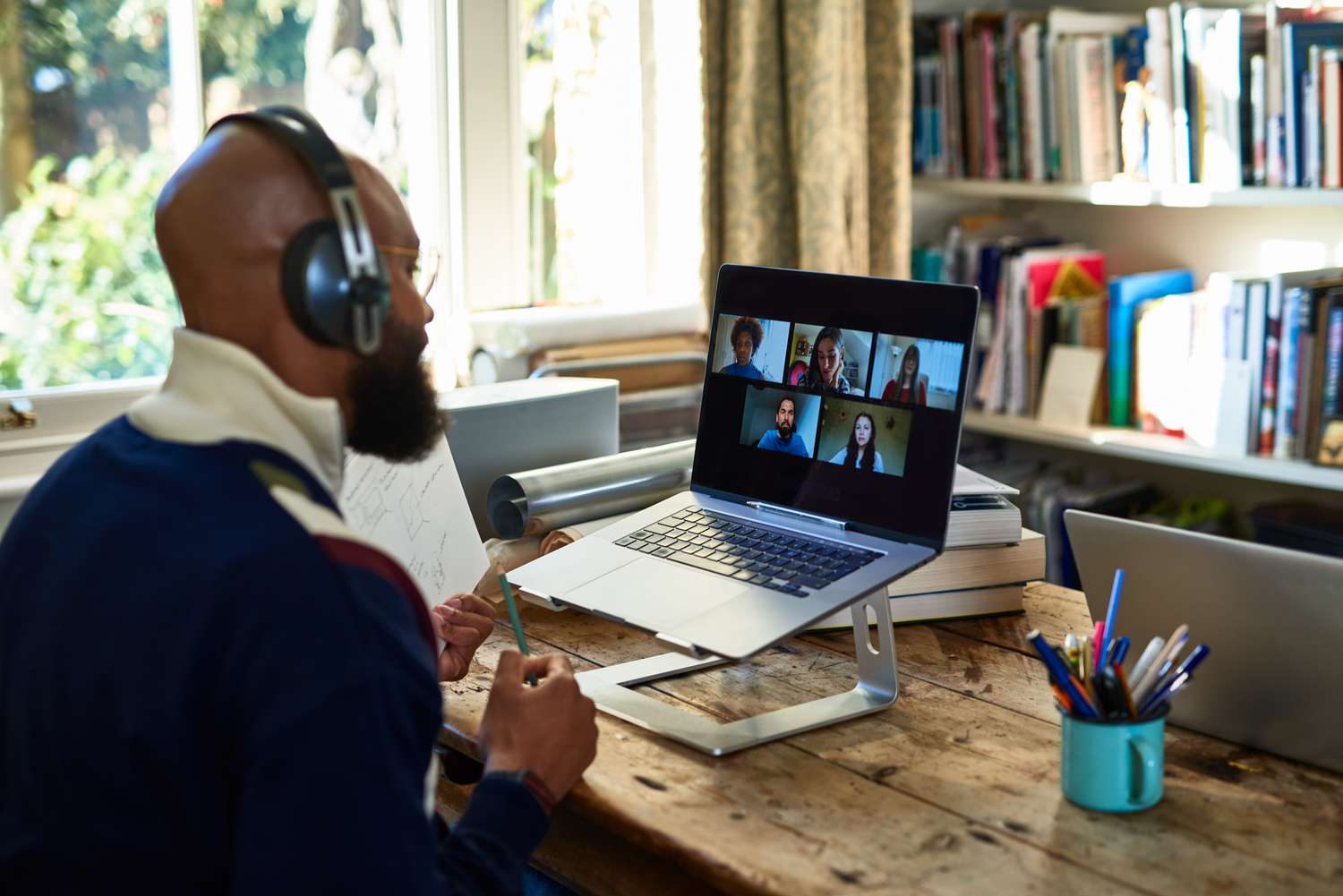
What began as an emergency measure has revealed itself to be more than a temporary fix. Remote work has proven to be efficient, inclusive and healthier for employees, but many companies are eager to return to the traditional office model. The evidence suggests that remote work should remain a central part of modern employment.
Working from home has shown that productivity does not depend on being physically present in an office. Without the daily commute, employees gain valuable time that can be invested in their work or personal lives. The distractions of office chatter and unnecessary meetings are replaced by environments tailored to individual focus. Productivity should be measured by results, not by hours spent under fluorescent lights. Remote work allows people to design their own spaces and the freedom to choose often leads to better performance.
Remote work also expands access to jobs for people who have historically been excluded. Those living in rural areas, individuals with disabilities, or caregivers tied to home responsibilities can now participate fully in the workforce. This inclusivity enriches organizations by bringing in diverse perspectives and talents that might otherwise be overlooked. In a world striving for fairness and equity, remote work is not just convenient; it is transformative.
The health benefits are equally compelling. Commuting is stressful, expensive and exhausting, often leaving workers drained before the day even begins. Eliminating that daily journey gives people more time for exercise, family and rest. Remote work also reduces exposure to illnesses, a consideration that remains relevant in a post-pandemic society. Flexible schedules allow employees to balance personal and professional responsibilities more effectively, reducing burnout and increasing satisfaction. Happier workers are more creative, more loyal and more engaged.
Critics argue that remote work weakens company culture and stifles collaboration. While spontaneous office interactions can spark ideas, technology has evolved to bridge these gaps. However, Video calls, instant messaging, and collaborative platforms enable real-time communication across distances. Culture is not about proximity; it is about shared values, trust and purpose. These can thrive in remote settings when companies are intentional about fostering them. Accountability is another concern often raised, but this reflects outdated management styles. Modern leadership should focus on outcomes rather than micromanagement. Clear goals and trust are far more effective than monitoring every move.
Remote work also carries environmental benefits that cannot be ignored. Fewer commutes mean fewer cars on the road, reducing traffic congestion and carbon emissions. Office buildings consume vast amounts of energy and scaling them down can significantly lower corporate carbon footprints. In an era of climate urgency, remote work is a practical step toward sustainability.
The evidence is overwhelming: remote work is not a passing trend but a forward-looking solution. It boosts productivity, expands inclusivity, improves health, and supports environmental goals. The challenges it presents are not insurmountable; they simply require adaptation and creativity. Companies that embrace remote work will attract top talent and foster healthier, more resilient organizations. For employees, it represents freedom, balance and opportunity. For society, it represents progress. The office may still have a role, but it should no longer be the default. The future of work is flexible, digital, and remote, and it is time we fully embrace it.