Kenya is preparing for one of the most significant transformations in higher education financing in recent years after the government proposed replacing the current university scholarship framework with an expanded student loan system under a unified funding structure. The proposal seeks to overhaul the way university and TVET students receive financial support while consolidating multiple institutions responsible for placement and funding.
The proposed reforms have generated nationwide debate among students, parents, universities, education stakeholders, and policymakers because they directly affect access to affordable higher education.
Overview of the Proposed University Funding Reforms
The government intends to introduce a centralized institution responsible for coordinating student placement, funding, scholarships, loans, bursaries, and career support.
Instead of operating through separate agencies, the proposal envisions a streamlined framework that combines several functions under one authority. According to government announcements, the reforms are intended to improve efficiency, eliminate duplication, and create a sustainable financing system capable of supporting growing enrolment in universities and Technical and Vocational Education and Training (TVET) institutions.
Key proposals include:
- Replacing the existing scholarship-heavy funding model with expanded student loans.
- Creating a unified funding authority.
- Streamlining administration of higher education financing.
- Increasing the overall funding pool available for students.
- Mobilizing additional resources from both public and private sectors.
- Improving loan recovery mechanisms to sustain future funding.
Why the Government Wants to Replace Scholarships
The proposed changes come after several years of challenges surrounding Kenya’s university funding models.
Among the issues identified include:
- Rising university enrolment.
- Increasing cost of higher education.
- Budget constraints.
- Delayed student disbursements.
- Financial instability facing public universities.
- Difficulties in maintaining scholarship allocations under existing fiscal conditions.
Government advisers argue that a loan-based financing model creates a revolving fund where graduates repay their loans after employment, allowing future students to benefit from the same resources.
This approach is intended to reduce dependence on annual government allocations while expanding access to tertiary education.
How the New Student Loan Model Would Work
Although Parliament is yet to finalize the legal framework, available government proposals indicate that students admitted to universities and TVET institutions would continue applying for financial support through a centralized system.
The expected process includes:
- Student receives placement.
- Student applies for funding.
- Financial assessment is conducted where applicable.
- Loan amount is approved.
- Tuition funds are disbursed.
- Student completes studies.
- Loan repayment begins after employment according to established regulations.
Current University Funding Model vs Proposed Loan-Based Model
| Feature | Current Model | Proposed Model |
|---|---|---|
| Scholarships | Government-funded | Largely replaced by loans |
| Student Loans | HELB support | Expanded national loan system |
| Funding Agencies | Multiple institutions | Single unified authority |
| Administration | Distributed | Centralized |
| Sustainability | Annual government funding | Revolving loan financing |
| Funding Sources | Government allocations | Government plus recovered loans and additional funding partners |
Expected Benefits of the Proposal
Supporters believe the reforms could offer several long-term advantages.
More Sustainable Financing
Recovered loans would continuously finance future generations of students, reducing pressure on taxpayers.
Larger Funding Pool
Government projections indicate that the consolidated system could significantly increase resources available for higher education.
Improved Efficiency
Merging multiple agencies may reduce administrative duplication and speed up funding decisions.
Better Coordination
A unified authority could simplify student placement, funding applications, bursaries, scholarships from external sponsors, and loan management.
Concerns Raised by Students and Education Stakeholders
Despite the intended reforms, several concerns continue to dominate public discussion.
Increased Graduate Debt
Replacing scholarships with loans means graduates could leave university carrying significantly larger financial obligations.
Accessibility
Critics argue that students from vulnerable families may struggle if grant support is substantially reduced.
Employment Challenges
Loan repayment depends heavily on graduate employment opportunities, raising concerns in an economy where youth unemployment remains high.
University Affordability
Education experts warn that financing reforms should ensure deserving students are not discouraged from pursuing higher education because of future debt burdens.
Impact on Public Universities
Public universities have faced financial challenges for several years.
Some institutions have experienced:
- Delayed government disbursements.
- Rising operational costs.
- Infrastructure deficits.
- Salary pressures.
- Growing student populations.
Government officials believe that restructuring funding could improve long-term financial stability by ensuring institutions receive predictable student financing.
Impact on TVET Institutions
The reforms extend beyond universities.
TVET institutions are expected to become part of the same financing ecosystem, allowing vocational students to access loans under the centralized funding authority.
This aligns with Kenya’s broader strategy of strengthening technical skills development and expanding workforce readiness.
Questions Students Are Asking
Will scholarships disappear completely?
Government proposals indicate a shift toward greater reliance on loans, but legislation and implementation details will determine whether targeted scholarships remain for vulnerable groups.
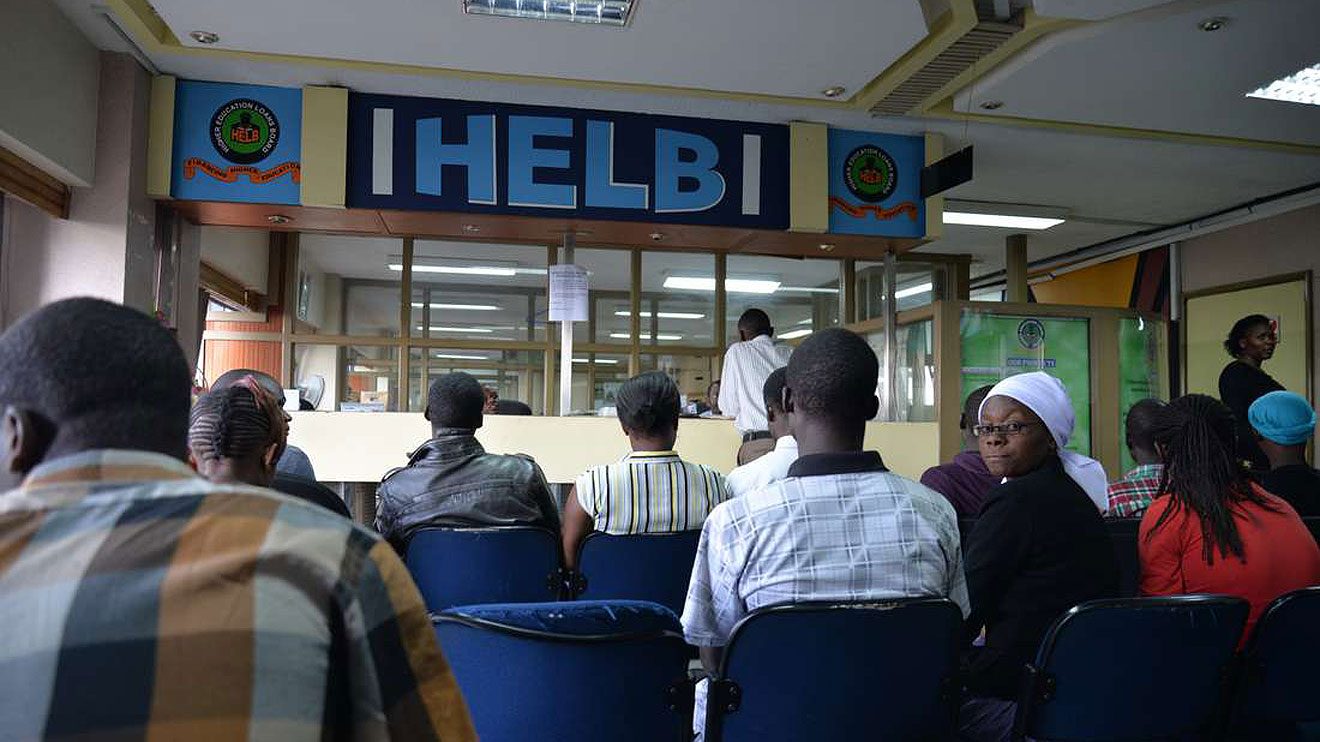
Will HELB still exist?
Current proposals envision restructuring or replacing existing funding bodies within a unified national authority responsible for placement and financing.
Will current beneficiaries be affected?
Implementation timelines and transition arrangements will depend on the legislation eventually adopted by Parliament.
Possible Economic Effects
The proposed reforms could have broader implications beyond education.
Potential outcomes include:
- Increased graduate indebtedness.
- Improved long-term sustainability of education financing.
- Reduced dependence on annual Treasury allocations.
- Expanded access if loan funding becomes sufficient for all qualified students.
- Stronger accountability in loan recovery systems.
The success of the reforms will ultimately depend on efficient administration, adequate funding levels, graduate employment opportunities, and transparent implementation.
What Happens Next?
The proposal is expected to move through Kenya’s legislative process before becoming law.
If approved, Parliament will establish the legal framework governing:
- Student loan administration.
- Institutional restructuring.
- Funding allocation.
- Loan recovery.
- Transition from existing scholarship arrangements.
Students, universities, county governments, education stakeholders, and employers will closely monitor the reforms as they shape the future of higher education financing in Kenya.
Conclusion
Kenya’s proposal to replace university scholarships with an expanded student loan system represents a major policy shift aimed at creating a more centralized and financially sustainable higher education funding model. While the government believes the reforms will increase efficiency, improve long-term financing, and support more students, the proposal also raises important questions about affordability, graduate debt, and equitable access to education. As Parliament considers the legislation, the outcome will determine how future generations of university and TVET students finance their education and how Kenya balances sustainability with the goal of ensuring no qualified learner is left behind.