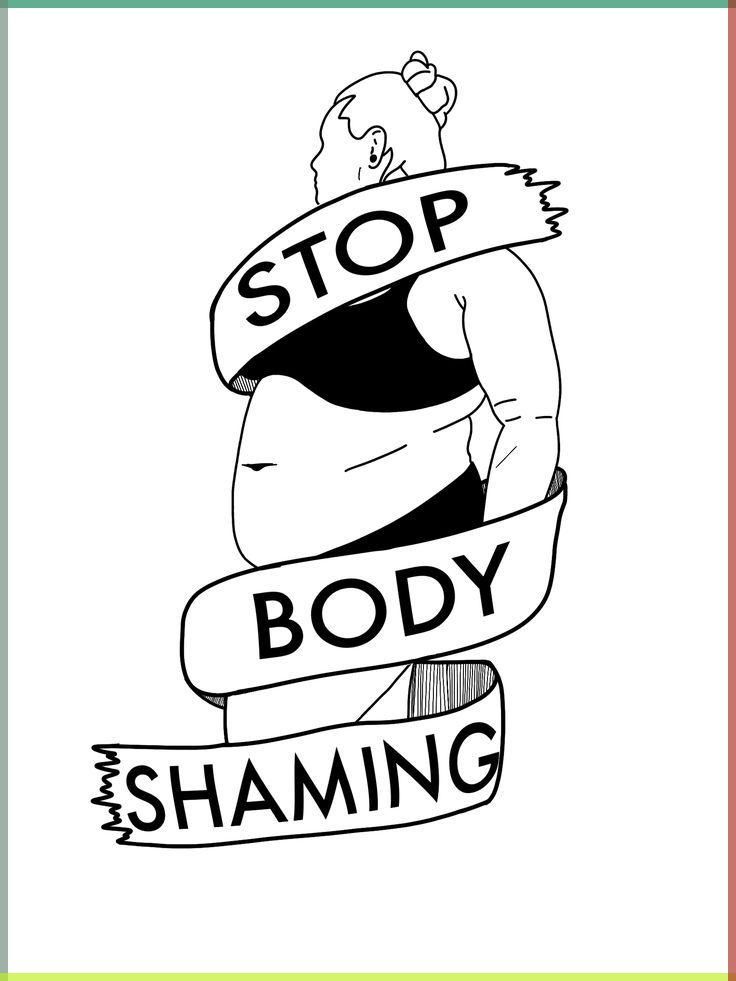
On social media, photos are often judged more for appearance than for the stories they tell. In workplaces, casual jokes about body size pass as humor. These moments may seem small, but together they form a culture of body shaming an issue that stretches far beyond all walls.
Body shaming, the act of ridiculing or criticizing someone’s physical appearance, thrives in everyday conversations, online platforms, and professional spaces. Globally, unrealistic beauty standards promoted by advertising, film, and social media have intensified the problem. In Kenya, cultural expectations surrounding body size, whether associating weight with wealth or slimness with modernity, add another layer of pressure. Research shows body shaming contributes to anxiety, depression, eating disorders, and social withdrawal. It is not just a personal struggle; it is a public health concern.
Body shaming cuts across age, gender, and social class. It silences voices, erodes confidence, and shapes how people participate in education, work, and community life. The scars are often invisible, but they affect identity, relationships, and opportunities.
Psychologists emphasize that body shaming is rooted in power and perception. It reflects how society defines worth through appearance, and the damage is profound because it attacks identity itself. Media analysts note that advertising often reinforces narrow ideals of beauty, while influencers on platforms such as Instagram and TikTok can either perpetuate or challenge these norms.