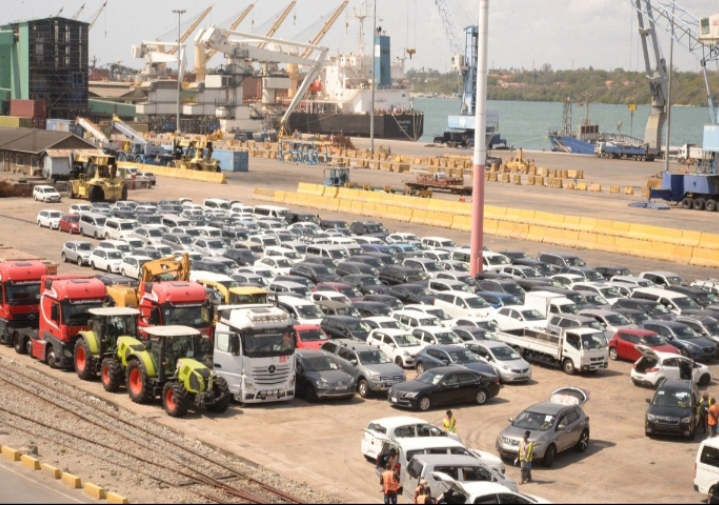
At the Port of Mombasa, thousands of imported vehicles are sitting idle, not because of unpaid taxes, not because of legal disputes, but because they lack something as small and basic as number plates.
It sounds unbelievable. How can cars worth millions of shillings be grounded by a shortage of metal plates? Yet this is the reality many importers and buyers are facing today.
The responsibility largely lies with the National Transport and Safety Authority (NTSA), the body mandated to produce and issue number plates in Kenya. Reports indicate a serious backlog in plate production, leaving vehicles stuck at the port or in yards, unable to be legally registered and released to owners.
Every day these cars remain parked, storage and demurrage charges accumulate. Dealers are forced to dig deeper into their pockets. Small-scale importers, many of whom rely on bank loans, continue to pay interest on vehicles they cannot sell. Buyers who saved for years to afford a car are left waiting indefinitely.
Worse still, vehicles left exposed to coastal humidity and salty air risk deterioration. What should be assets generating income are slowly depreciating before even touching Kenyan roads.
This crisis exposes a deeper governance problem. Number plates are not luxury items; they are essential components of the registration system. If fees are collected for registration, why is production not guaranteed? If suppliers are not paid on time, why is there no contingency plan?
Kenya cannot aspire to be a regional trade hub while basic systems stall commerce. The automotive sector supports thousands of livelihoods, from clearing agents and transporters to mechanics and sales agents. A breakdown in something as simple as plate issuance disrupts an entire economic chain.
What is needed now is transparency, urgency, and reform. Authorities must clearly communicate the cause of the shortage, fast-track production, and ensure such a crisis does not recur. Systems that collect public money must deliver public services without excuses.