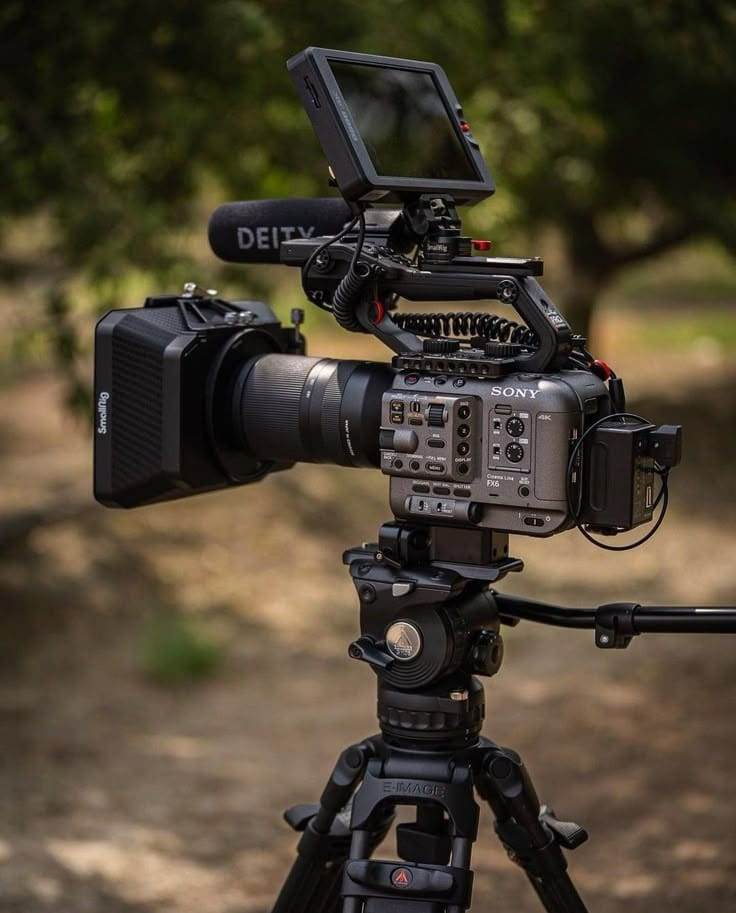
Every powerful image we see whether on television, in newspapers, or online begins with someone standing quietly behind a camera. These individuals shape not only how we remember events, people, and emotions but also how we understand the world. Yet, their crucial role remains largely unnoticed, hidden behind their lenses.
Camera professionals do more than operate machines; they actively mold stories. Their decisions dictate not just what we see but how we feel about it. With a single tilt or close-up, they turn routine moments into history, ensuring their impact shapes our perception.
The craft of camera work is a delicate balance between artistry and precision. Camera people understand angles, lighting, and timing, but they also know when to anticipate emotion a smile, a tear, or a sudden burst of applause. In live coverage, there is no second take. Whether filming a graduation, a protest, or breaking news, camera professionals must react instantly, often under immense pressure.
They rarely work alone. Collaboration with directors, reporters, and producers is at the heart of their role, translating vision into images that resonate with audiences. Without them, even the most compelling story might remain unseen. Many describe their work as “seeing for others.” They capture details audiences might miss the quiet dignity of a security guard, the laughter of children in the background, or the resilience of a community in motion.
Behind every frame lies a professional who chose to press record at just the right moment. They are the silent storytellers, the guardians of perspective, and the invisible artists who ensure that our memories are not only preserved but felt. Their work reminds us that sometimes the most powerful voices are the ones we never see.