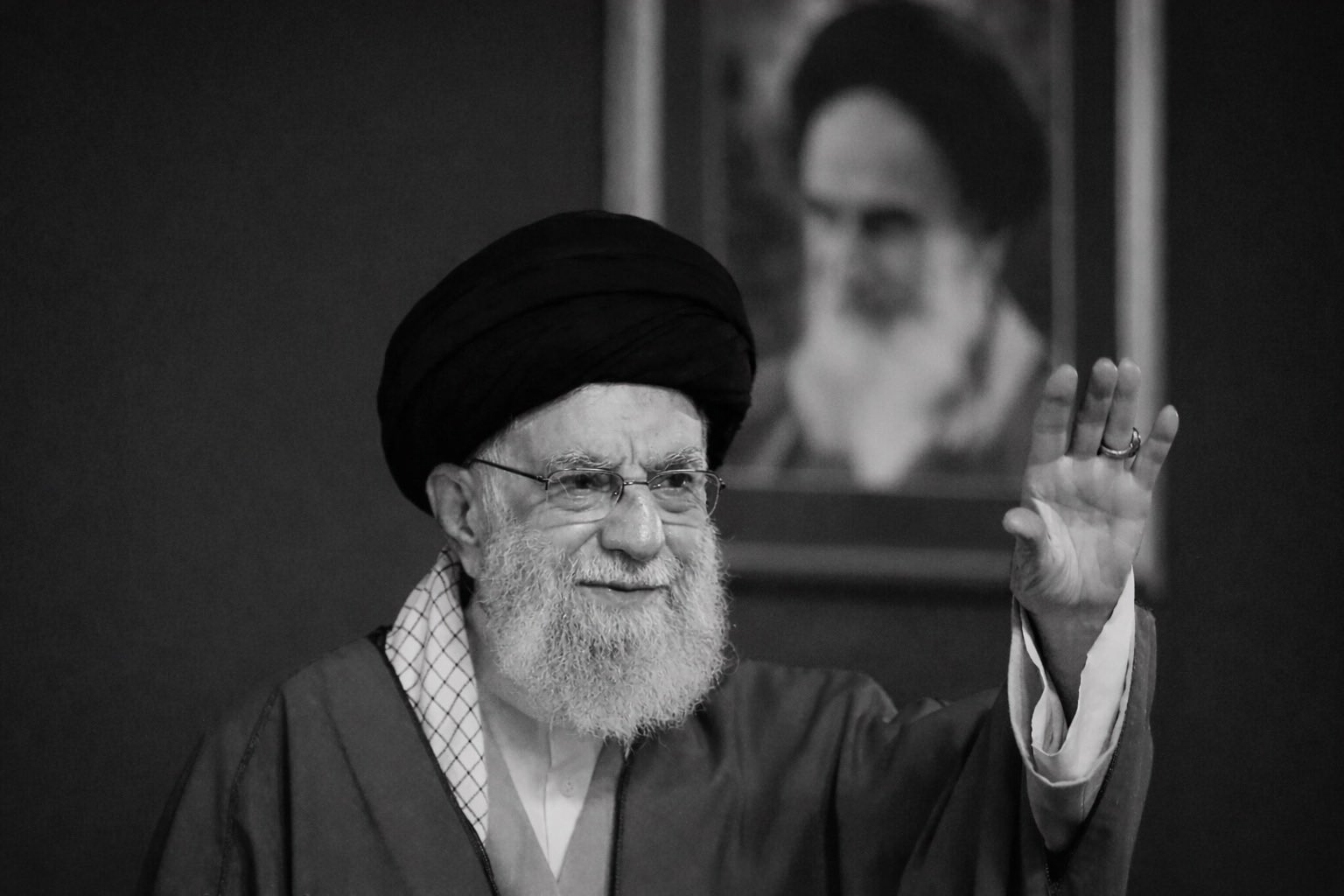
Reports from Israeli sources claim that Iran’s Supreme Leader, Ayatollah Ali Khamenei, has died following what are described as joint U.S. and Israeli strikes targeting senior Iranian leaders.
According to the report, two Israeli sources told CNN that Israel has photographic evidence of Khamenei’s body. An official announcement is reportedly in preparation, with indications that the United States might declare it first. As of now, no public confirmation has been issued by Iranian authorities.
The strikes have been labeled “decapitation strikes.” They aimed to neutralize Iran’s highest-ranking decision-makers. Khamenei, who has been Iran’s Supreme Leader since 1989, holds ultimate political and religious authority in the Islamic Republic. His position made him one of the most powerful figures in the Middle East, as he oversaw Iran’s military, judiciary, and executive branches.
U.S. officials reportedly stated that while Israel conducted operations targeting senior Iranian leaders, American forces focused their strikes on military infrastructure and key defense sites. This distinction highlights the close coordination between Washington and Tel Aviv while maintaining separate operational roles.
Despite the significance of this reported development, analysts warn that Khamenei’s death would not automatically lead to the collapse of Iran’s political system. The Islamic Republic operates as a multi-layered regime, with institutions like the Guardian Council, the Revolutionary Guard, and the Assembly of Experts playing important roles in governance and succession.
The key question now is whether the loss of such a central figure would weaken the government enough to encourage internal dissent. Iran has seen waves of protests in recent years, driven by economic struggles, political repression, and social issues. Observers believe that uncertainty in leadership could either trigger renewed unrest or lead to a quick consolidation of power by remaining elites.
CNN political and global affairs analyst Barak Ravid reported that he spoke with former U.S. President Donald Trump, who expressed confidence in the outcome of the operation. Trump discussed possible “off-ramps” to resolve the escalating conflict within days, while also restating an ultimatum to Iran regarding its nuclear program.
These developments mark a dramatic increase in regional tensions, with global leaders closely watching Tehran’s response. If confirmed, Khamenei’s death would be one of the most significant geopolitical events in decades. It could reshape the balance of power in the Middle East and potentially redefine U.S.-Iran relations.
For now, the world waits for official confirmation and clarity on what lies ahead for Iran and the wider region.