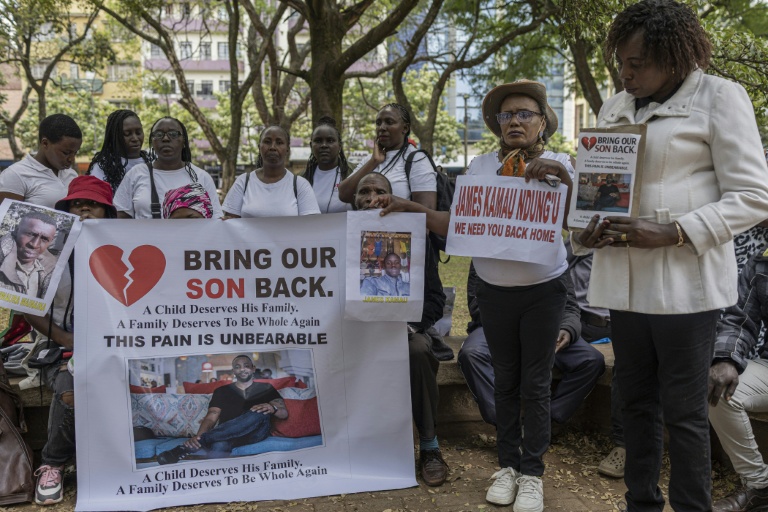
Fresh allegations that up to 1,000 Kenyans were recruited to fight in the Russia-Ukraine conflict have sparked protests and scrutiny of how young men were allegedly lured out of the country. According to families of those involved, the recruits were deceived into traveling to Russia with promises of well-paying jobs, only to later discover they had been enlisted into the armed forces amid the ongoing war between Russia and Ukraine.
Some families say they have lost contact with their relatives entirely, while others fear their loved ones may already be dead. The accusations have been firmly denied by the Russian Embassy in Kenya, which stated it did not facilitate or coordinate the travel of Kenyans for military operations.
Embassy officials emphasized that any claims suggesting direct involvement in illegal recruitment are false. However, the embassy acknowledged that Russian law allows non-citizens to voluntarily sign contracts for military service. This clarification has done little to ease concerns among families, who argue that “voluntary” recruitment cannot apply when individuals are allegedly misled about the nature of their work abroad.
On the streets of Nairobi, relatives of the alleged recruits gathered to protest, demanding the immediate repatriation of their loved ones “dead or alive” and calling for the prosecution of those behind the recruitment network. Protesters accused authorities of failing to act decisively, with some going further to allege that certain state officials may have been complicit in the scheme.“These young men were promised jobs, not war,” one family member said during the demonstrations.
Meanwhile, legal proceedings connected to the case are ongoing. One Kenyan, Edward Guku, who was arrested in relation to the alleged recruitment, appeared in court again, with his case scheduled for mention on March 19.
Investigators have not yet disclosed the full scope of the network involved or how many Kenyans may still be in Russia. As pressure mounts from affected families and human rights advocates, the case has raised broader questions about labour migration, accountability, and the protection of citizens seeking opportunities, especially in the shadow of an international conflict that continues to claim lives far from