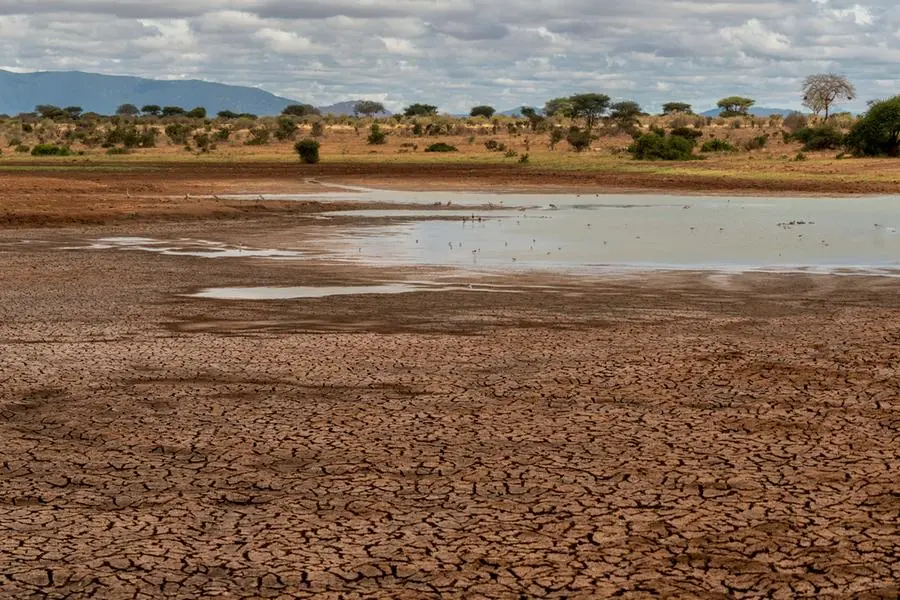
Out here in Kenya’s arid zones, the land hasn’t seen steady rain in ages. Rivers that once flowed now sit cracked under a relentless sun. People across Garissa, Wajir, and Mandera scramble daily just to find enough water.
Pastures where animals grazed are gone, replaced by dust and brittle soil. In places like Isiolo and Marsabit, families watch crops fail season after season. Kitui and Makueni feel it too – hunger creeping in quietly. Even parts of Meru aren’t spared by this slow unravelling. Without regular rainfall, survival grows harder each month.
Nowhere is safe from the dry spell gripping the region, as dams and rivers in North Eastern counties show warning signs. People there now wait hours for trucks hauling water, some turning instead to ponds thick with muck.
Herders once counting heads of cattle face silence where bells used to ring – entire herds gone, wiped out by hunger and sickness. What few animals remain stand listless, ribs pressing against hide, bringing little cash when sold, if they sell at all. Less money means less food, fewer school fees, and smaller futures. Each day widens a hole already too deep.
East of Kenya, drought hits both herders and those who grow food. Without enough rain, crops like maize, green grams, and sorghum often fail. When harvests shrink, market costs climb – leaving essentials too expensive for some households. Because meals get smaller or less frequent, more young kids and pregnant women face poor nutrition, aid workers say.
Places hit by drought see classrooms empty out because young ones walk far with relatives just to find water and grass for animals. Trouble grows around dirty drinking sources, too. Officials watch closely as sickness spreads through the unclean supplies people rely on every day.
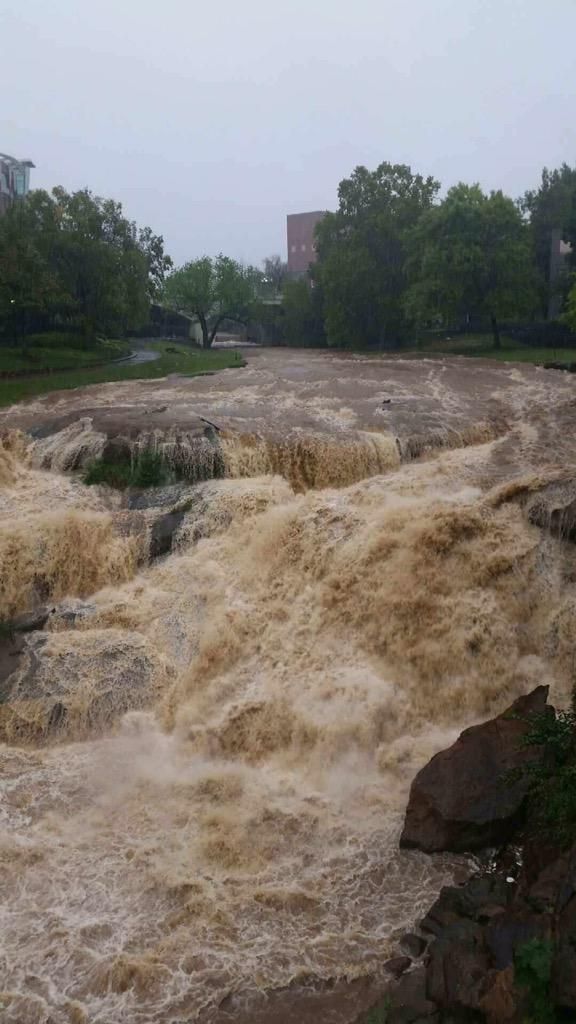
Heavy rains washed away crops. So officials began handing out maize sacks, fixing deep wells, one by one. Animals got sold fast before hunger spread wider. Still, aid groups say short fixes won’t hold when skies stay empty months on end. What sticks needs roots – farms that bend with heat, tanks that catch every drop, plans ready before dust returns.
Nowhere is safe from shifting weather like it once was, especially across North Eastern and Eastern Kenya, where dry spells hit harder and return faster. When rains fail often, survival grows tougher for millions who call these lands home. Action must rise not just from cities but from every nearby town and village if lasting help stands any chance.