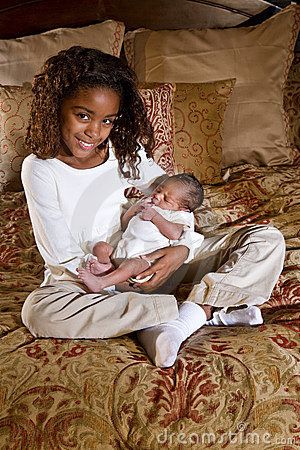
Being a first child comes along with more than being the oldest child in your family. Firstborns are often casted as role models, deputy parents are always expected to be a good example to their younger siblings by guiding them or setting the standard in academics and behavior. Parents, knowingly or not ,place heavier responsibilities on them which foster maturity and leadership skills but it can also feel like an invisible burden of weight pressing down.
Firstborns always learn faster to navigate rules, discipline and parental experiments making them grow up faster than their peers since their parents are also figuring things out for the first time as parents. This create pressure to always get it right leading to resilience and independence. The identity itself is often tied to achievement and reliability, sometimes at the expense of personal freedom.
Viewing it from the positive side, firstborns always receive undivided attention in their early years, more resources and sometimes the parents tend to love and trust them more. Though these privileges are balanced by sacrifices, higher expectations and constant reminder they are being watched by their young ones, these create constant pressure to always be in their best behavior and achieve more to meet their parents expectation and set standards to the younger ones
Being a firstborn is more about responsibility than the hierarchy itself. Its a role that shapes character in profound ways, leadership, empathy and instilling discipline. Being a firstborn require balance, one must learn to embrace their individuality beyond the expectations placed upon them. Parents also need to be considerate, even though firstborn are natural leaders, they are still a children who can make mistakes and also deserve freedom and growth.