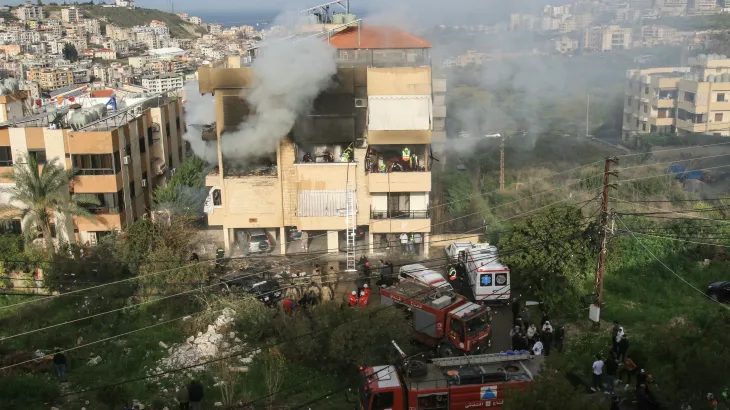
The escalating conflict between Iran and Israel has sent shockwaves across the globe, with Kenya and the rest of the African continent feeling the effect. As a net importer of refined petroleum products, Kenya is particularly vulnerable to disruptions in the Strait of Hormuz, a critical checkpoint for global energy exports.
Effects are being felt across the country with the rising fuel prices and potential shortages threatening to derail Kenya’s economic recovery. The country’s trade with the Middle East, worth billions of shillings, is also at risk, with exports of tea, coffee and flowers facing disruptions.
But Kenya isn’t the only country in Africa feeling the heat of the conflict between Iran and Israel because the conflict has far-reaching implications for Africa, with potential inflation, currency depreciation and reduced investment flows. Countries like Nigeria, Ghana and Senegal are already grappling with energy subsidies and facing mounting fiscal pressures.
The African Union has expressed deep concerns, urging restraint and diplomacy. President Ruto also echoed this call, emphasizing the need for international cooperation to prevent further escalation.
As the situation unfolds, Kenyans are advised to exercise caution, particularly in the Middle East, where tensions are running high. The government has issued advisories to citizens in affected countries by urging them to register with embassies and avoid non-essential travel.