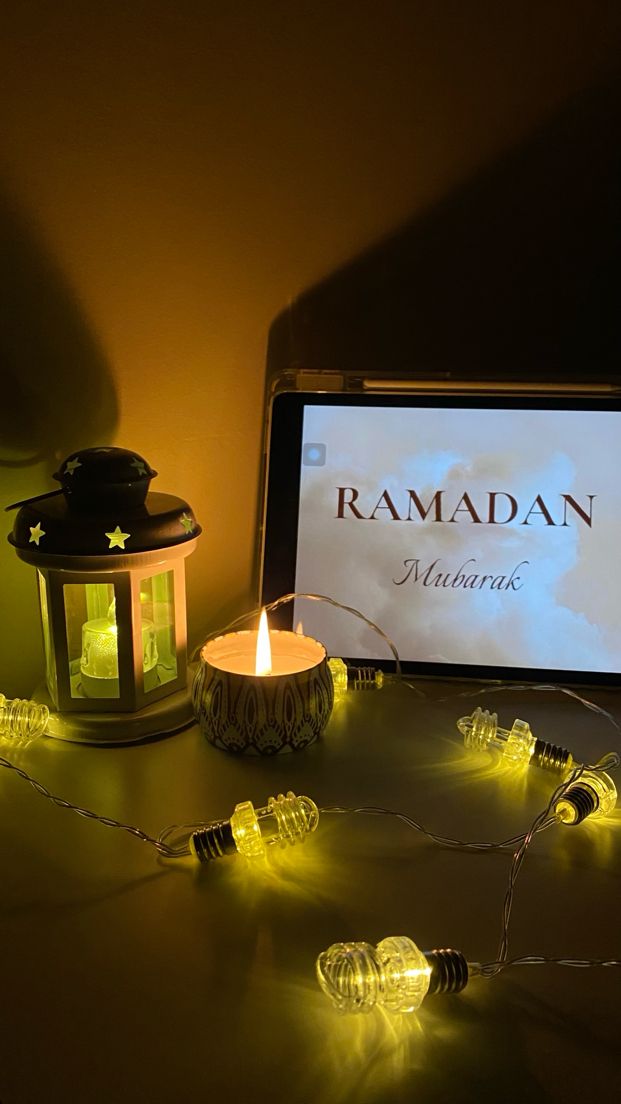
On the evening of February 18, eyes will lift toward the sky in quiet anticipation, searching for the delicate curve of the new moon. The crescent, thin yet powerful in meaning, signals the arrival of Ramadhan, a sacred month that transforms routines, resets priorities and softens hearts. In cities that rarely sleep, where headlights replace sunsets and phone screens outshine the stars, the sighting of that fragile moon ushers in something rare and a collective pause.
Urban life moves fast. Lectures, deadlines, traffic, side hustles, late-night scrolling and the constant buzz of notifications define our days. Yet when Ramadhan begins, the tempo shifts. The pre-dawn stillness before suhoor feels different, quieter, intentional. Streets that echo with engines during the day fall silent in the early hours, while kitchen lights glow behind curtains as families gather for a meal that is less about food and more about intention.
Fasting in the city is a test of discipline wrapped in distraction. Hunger walks beside the aroma of street food. Thirst lingers under the harsh afternoon sun reflecting off concrete and glass. Patience is tested in traffic jams and crowded matatus. Yet within these pressures lies the purpose of the fast to master the self in a world that constantly demands indulgence. In resisting temptation, one discovers strength. In enduring discomfort, one finds clarity.
As sunset approaches, the city softens. Vendors slow down. Conversations pause. People glance at the time more frequently. Then comes the moment the call to prayer weaving through the evening air, car radios lowering in respect, hands lifting in silent gratitude. Dates are shared. Water is passed. In offices, hostels, roadside stalls and homes alike, strangers become companions in a shared act of breaking the fast. For a brief moment, status, stress and social divisions dissolve.
Ramadhan nights in the city hold a beauty that daylight rarely reveals. Mosques fill with worshippers standing shoulder to shoulder in Taraweeh prayers, united in rhythm and devotion. Streets shimmer under soft lighting as people return home with a calm rarely seen during the day. Even the restless energy of urban life seems to yield to reflection. Conversations deepen. Forgiveness is sought. Acts of charity multiply quietly, without cameras or applause.
For students and young people navigating the noise of modern life, Ramadhan offers something rare and a reset. It teaches restraint in a culture of excess, mindfulness in an age of distraction and compassion in a time often defined by self-interest. Hunger becomes a bridge to empathy, reminding the privileged of those who live with scarcity daily. The fast is not merely about abstaining from food but cleansing the heart from arrogance, anger and indifference.
In a world increasingly driven by speed and spectacle, Ramadhan invites slowness and sincerity. It asks believers to step away from the glare of city lights and rediscover the quiet illumination of faith. The nights grow longer with prayer, reflection and remembrance, yet the soul feels lighter with each passing day.
When the crescent moon is first sighted, it marks not just the beginning of fasting but the opening of a spiritual journey. By the time the month draws to a close, the city will return to its familiar rush. Traffic will roar again. Notifications will reclaim attention. Deadlines will press in. But those who embraced Ramadhan will carry something lasting within them, patience sharpened by hunger, gratitude deepened by restraint and hearts softened by compassion.
Under the glow of city lights, spirituality does not disappear. During Ramadhan, it rises, quietly, resiliently -reminding us that even in the busiest streets and loudest nights, the soul can still find its way back to peace.