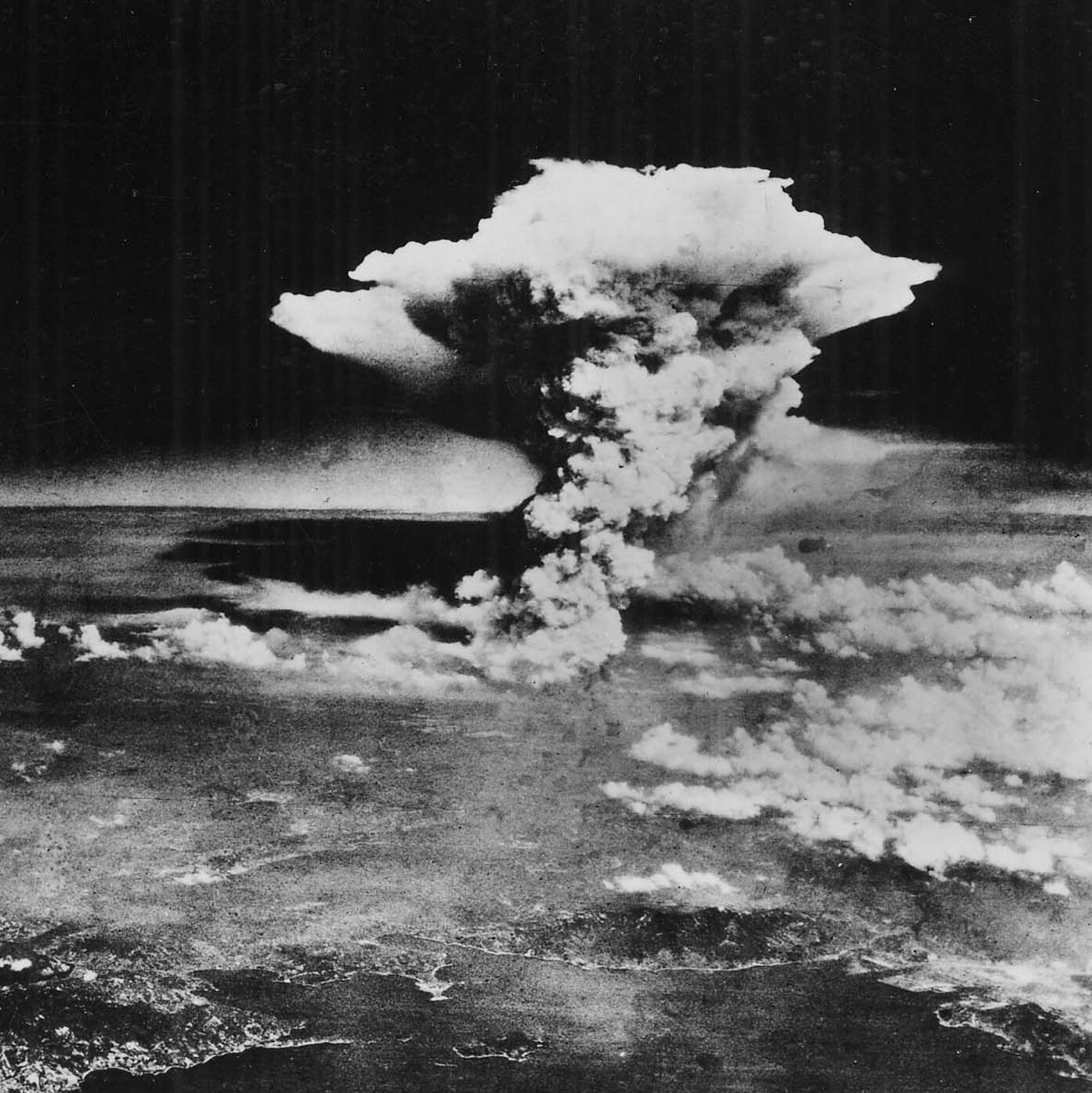
The famous cities of Hiroshima and Nagasaki in Japan are well known in history after the 1945 atomic bomb attacks, which claimed the lives of about 140,000 people in Hiroshima and a further 74,000 in Nagasaki. Out of those killed, 38,000 were children under 18 years old.
While the radiation levels in both cities eventually returned to normal background levels and now pose no health risk to present residents or visitors, many of the surviving victims, known as Hibakusha, continue to suffer from radiation-related illnesses and trauma about 80 years after the attacks. In March 2025, there were 99,130 officially confirmed Hibakusha still living, with an average age of over 86 years.
The uranium bomb that landed over Hiroshima on 6 August 1945 had an explosive yield equal to 15,000 tons of TNT, resulting in massive destruction and burning about 70% of all buildings in the area. Three days later, a slightly larger plutonium bomb exploded over Nagasaki and the blast spread across about 6.7 square kilometres of the city, causing widespread destruction. Ground temperatures reached approximately 4,000°C, producing intense heat and radioactive rain.
The extent of the damage in Hiroshima and Nagasaki made it difficult to provide aid. About 90% of physicians and nurses were killed or injured and 70% of hospitals were destroyed. Because of this, many victims died without receiving medical care.
Survivors later entered the cities after the bombings to assist the injured and retrieve the dead. These people were also exposed to radiation. Years after the bombings, Hibakusha experienced increased cases of leukemia, thyroid, breast, lung and other types of cancer at higher rates than normal.
There were also miscarriages among pregnant women who had been exposed to the bombs. Children suffered intellectual disabilities, impaired growth and an increased risk of developing cancer.
The atomic bomb caused both immediate and long-term catastrophic destruction and triggered a prolonged public health crisis through the release of large amounts of ionizing radiation. Gamma rays and neutrons altered the genetic material of survivors, increasing their risk of cancer and other chronic diseases that have persisted for nearly eight decades
The survivors of the atomic bombings experienced severe health effects shortly after exposure to intense radiation and heat.
Many victims developed Acute Radiation Syndrome, which caused symptoms such as nausea, vomiting, diarrhea, fever and extreme weakness. These symptoms appeared within hours or days after exposure.
Hematopoietic System Failure due to high doses of radiation destroyed bone marrow cells, which are responsible for producing blood cells. This resulted in severe neutropenia (low white blood cells) and thrombocytopenia (low platelets). As a result, survivors had weakened immune systems and experienced serious infections and uncontrolled bleeding.
Ionizing radiation damaged the DNA inside body cells. If the damage was not properly repaired, it caused mutations that later developed into cancer or other long-term illnesses. Cancer risks became noticeable about 10 years after the bombing and continued to increase throughout survivors’ lives. Higher cases were recorded for cancers of the stomach, lung, liver, colon, bladder, breast, ovary and thyroid.
Leukemia was the first major cancer linked to radiation exposure, reaching its peak 6–8 years after the bombing. Although leukemia is relatively rare, it accounted for about 16% of the excess cancer deaths among atomic bomb survivors.
Many survivors later developed solid tumors, which appeared 10 years or more after radiation exposure. These cancers accounted for the majority of radiation-related deaths.
Research shows that the higher the radiation dose, the greater the risk of developing cancer. There appears to be no completely safe level of radiation exposure.
Certain groups were more vulnerable to radiation effects. Children and younger individuals, as well as women, had a higher risk of developing radiation-induced cancers.
Long-term studies also found links between radiation exposure and non-cancer diseases. Survivors showed increased risks of cardiovascular diseases and other chronic health conditions later in life.
The atomic bombings of Hiroshima and Nagasaki were not just moments of sudden destruction, they marked the beginning of a long, painful journey for the people of Japan. Eighty years later, the legacy of that devastation is still felt, in the scars of the survivors, the memory of lost lives and the lessons for humanity. Beyond the immediate horror, these events remind us of the fragility of life, the resilience of those who endured and the urgent need for peace in a world where the shadow of nuclear weapons still looms.