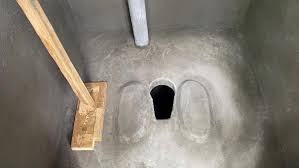
Pit latrines, also known as choo ya daktari, collect human waste in a deep pit. Urine and feces enter the pit through a drop hole. These latrines provide a hygienic way to dispose of waste, significantly reducing the spread of fecal-oral transmitted diseases. When properly constructed and maintained, they isolate excreta from the environment, preventing the contamination of food and water sources.
This sanitation method has been embraced in the Lake Victoria region, which has helped reduce cholera infections and transmission in these heavily affected areas. Since 2019, infection rates have shown a steady decrease as most sub-regions have begun following health protocols.
The latrine creates a physical barrier that prevents direct contact with waste products, protecting individuals from the risk of contamination. Because they are an affordable sanitation option for the wider population, they have become more accessible following campaigns to build more latrines throughout the Lake Victoria region.
Properly constructed and maintained pit latrines also minimize the risk of contaminating groundwater. This is vital, as many people rely on these sources for drinking, cooking, and general domestic use. Additionally, these structures help control disease vectors by eliminating breeding grounds for flies and other insects, thereby reducing the spread of pathogens.
Increasing the number of latrines in high-density areas reduces the overall disease burden by breaking the cycle of infection. This has been especially helpful in rural areas where residents may not be able to afford to build their own facilities; in these cases, many are government-built latrines.
To ensure success, people should be trained on how to use and maintain these facilities to keep them clean and functional. As a community, we must take responsibility for their upkeep. As a society, we must learn to improve our well-being and practice self-care by protecting the environment we live in.