Pig Farming in Kenya: The Hidden Agribusiness Opportunity
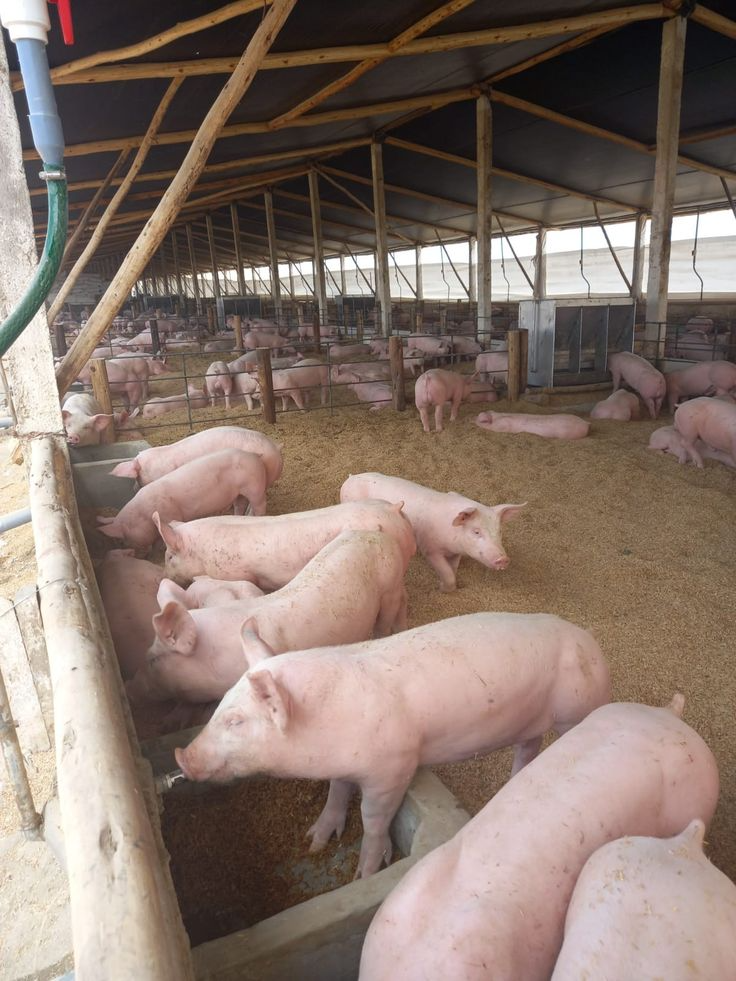
Pig farming in Kenya has long been overshadowed by cattle, poultry, and dairy ventures. Yet, across Nakuru and other counties, farmers are discovering that pigs once dismissed as “dirty” animals hold the key to financial independence, food security, and community resilience.
Pig farming, which has long been overlooked, is emerging as a hidden agribusiness opportunity. With pork demand rising in hotels, butcheries, and households, small-scale farmers find that pigs offer fast returns, multiple income streams, and resilience in tough economic times. Pigs mature quickly, reproduce in large litters, and provide not just meat but manure that enriches soils for crop farming.
The opportunity lies in the numbers. A single sow can produce litters of 8–12 piglets twice a year, giving farmers a steady supply of pork and breeding stock. Compared to cattle, pigs require less space and grow faster, making them an attractive option for young people and women who may not have access to large parcels of land. Agricultural officers note that breeds like the Large White and Landrace dominate small farms, while modern setups experiment with breeds like Camborough pigs for greater efficiency. Nakuru is quietly becoming a hub for piggery ventures, with cooperative groups forming to share knowledge, reduce costs, and advocate for better veterinary support.
Challenges remain. Feed costs are high, and disease outbreaks such as African swine fever can devastate herds. Farmers often spend more on feed than they earn, forcing them to innovate with farm by-products and local feed mixes. Yet resilience defines this sector. Many farmers are turning to integrated farming using pig manure to fertilize crops, and crop residues to feed pigs creating sustainable cycles that reduce costs and maximize returns.
Pig farming stands out as a powerful driver of economic change, despite its lower profile compared to dairy or poultry. The sector is quietly fueling food security, empowering women and youth, and redefining Kenya’s agribusiness landscape. As pig farming grows, its role as a vital, high-impact component in food systems and rural livelihoods becomes increasingly clear.
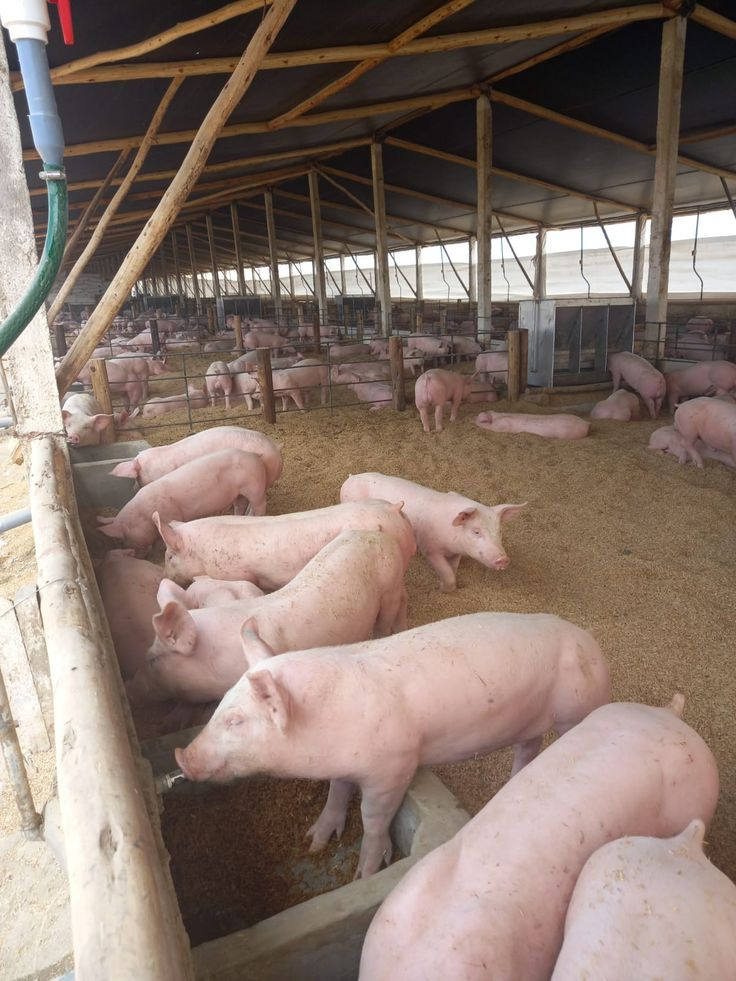
Pig farming in Kenya has long been overshadowed by cattle, poultry, and dairy ventures. Yet, across Nakuru and other counties, farmers are discovering that pigs once dismissed as “dirty” animals hold the key to financial independence, food security, and community resilience.
Pig farming, which has long been overlooked, is emerging as a hidden agribusiness opportunity. With pork demand rising in hotels, butcheries, and households, small-scale farmers find that pigs offer fast returns, multiple income streams, and resilience in tough economic times. Pigs mature quickly, reproduce in large litters, and provide not just meat but manure that enriches soils for crop farming.
The opportunity lies in the numbers. A single sow can produce litters of 8–12 piglets twice a year, giving farmers a steady supply of pork and breeding stock. Compared to cattle, pigs require less space and grow faster, making them an attractive option for young people who may not have access to large parcels of land. Agricultural officers note that breeds like the Large White and Landrace dominate small farms, while modern setups experiment with breeds like Camborough pigs for greater efficiency. Nakuru is quietly becoming a hub for piggery ventures, with cooperative groups forming to share knowledge, reduce costs, and advocate for better veterinary support.
Challenges remain. Feed costs are high, and disease outbreaks such as African swine fever can devastate herds. Farmers often spend more on feed than they earn, forcing them to innovate with farm by-products and local feed mixes. Yet resilience defines this sector. Many farmers are turning to integrated farming using pig manure to fertilize crops, and crop residues to feed pigs creating sustainable cycles that reduce costs and maximize returns.
Pig farming stands out as a powerful driver of economic change, despite its lower profile compared to dairy or poultry. The sector is quietly fueling food security, empowering people and redefining Kenya’s agribusiness landscape. As pig farming grows, its role as a vital, high-impact component in food systems and rural livelihoods becomes increasingly clear.