According to the Kenya National Bureau of Statistics (KNBS) 2024 report, Kenya’s overall unemployment rate stands at approximately 5.4 percent, but the situation is far more severe among young people. In some counties, youth unemployment is estimated to be as high as 67 percent, painting a troubling picture of economic vulnerability across households. This crisis is quietly undermining children’s education and long-term well-being.
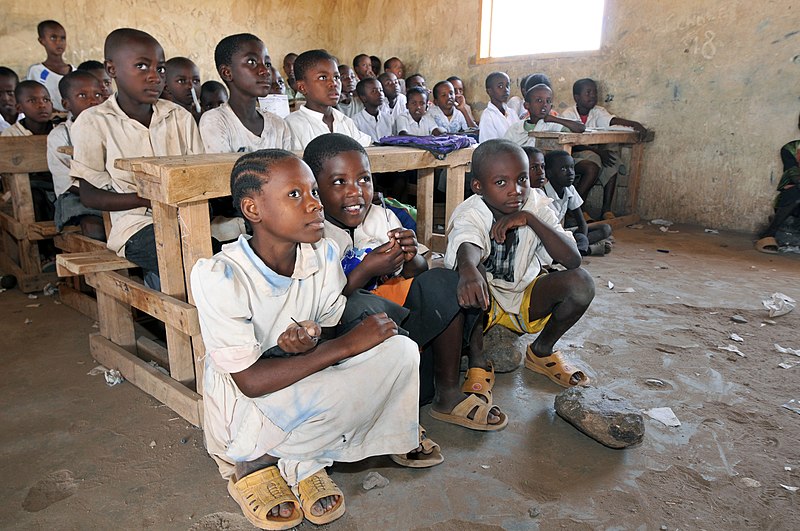
The Ministry of Education reports that nearly 250,000 children drop out of school every year, largely due to poverty-related challenges. Many parents struggle to afford basic requirements such as school uniforms, transport, and learning materials, especially when schools are located far from their homes. High school education, which often involves additional fees, becomes even more difficult to sustain, leading to frequent interruptions or permanent dropouts.
Financial strain within families also creates emotional and psychological stress at home. Children living in such environments often find it difficult to concentrate on their studies, complete assignments, or attend school regularly. In some cases, children are forced to temporarily leave school to help support their families, particularly where parents are unemployed, ill, or facing extreme hardship with no alternative sources of income.
Beyond academics, poverty fuels social exclusion. Many children from low-income households are unable to participate in school trips, extracurricular activities, or social events due to lack of money. This often results in isolation, stigma, bullying, and exposure to negative stereotypes at a very young age, contributing to loneliness and low self-esteem.
Health is another major concern. Financial constraints limit access to balanced meals, increasing the risk of malnutrition and other health complications. Families may also skip medical check-ups, vaccinations, or necessary treatment because they cannot afford healthcare costs. In extreme cases, this lack of access to proper nutrition and medical care can lead to preventable illnesses or even loss of life among young children.
The long-term consequences are profound. Interrupted education reduces future employment opportunities, trapping children in a cycle of poverty that threatens national development. When large numbers of children fail to complete their education, the country risks losing a generation of skilled, productive citizens.
Addressing this crisis requires deliberate and coordinated action. School feeding programs should be expanded to ensure children remain in class even when families lack stable income. Cash transfer initiatives such as Inua Jamii must be strengthened and implemented with accountability to support vulnerable households. For older children and school leavers, free vocational and technical training can help bridge the skills gap and improve employability.
Additionally, community-based counseling and awareness programs are essential to help parents understand the long-term value of education and to provide emotional support for families under stress. Educating parents on family planning and birth rate management can also reduce financial pressure and improve household stability.



Very true indeed.Measures have to be put across to ensure every class access education as a basic right.