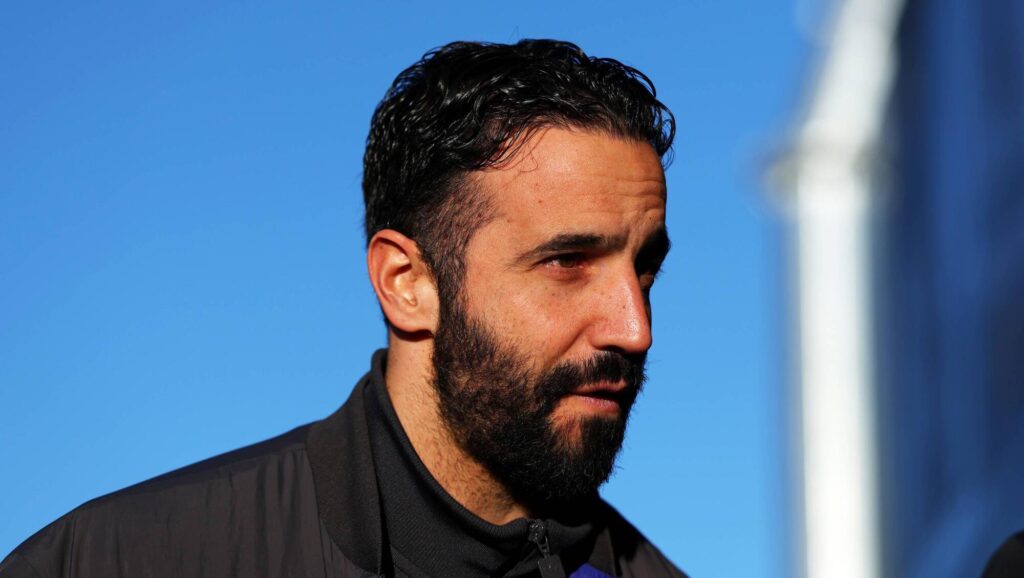
Manchester United have parted ways with head coach Ruben Amorim, bringing an end to his 14-month era at Old Trafford following a run of inconsistent performances and growing internal tensions at the club.
The Premier League giants confirmed the decision on Monday, stating that a change in leadership was necessary to give the team the best possible chance of improving results for the remainder of the season. Amorim’s entire backroom staff has also departed, with former midfielder Darren Fletcher appointed as interim manager as the club begins the search for a permanent replacement.
Amorim joined United in November 2024 from Sporting Lisbon amid high expectations that he would modernise the club’s playing style and oversee a long-term rebuild. While his tenure showed brief moments of promise, it was ultimately undermined by poor league form and a lack of consistency.
Last season, Manchester United finished 15th in the Premier League, their lowest position in the recent era. Although Amorim guided the team to the Europa League final, they fell short in the decisive match, missing out on silverware and European qualification. This campaign also proved challenging, with United struggling to keep pace with the league’s top sides and drifting far behind the title contenders.
Concerns were also raised over Amorim’s tactical approach, particularly his insistence on systems that failed to deliver consistent results in the Premier League. Attempts to adjust formations did little to address defensive vulnerabilities or attacking inefficiency, leading to mounting frustration among supporters and club officials alike.
Reports indicate that relations between Amorim and the club hierarchy had deteriorated in recent months. Public remarks about his role and authority within the club’s structure reportedly intensified tensions, as Manchester United continue to operate under a football model that separates coaching duties from recruitment and executive decision-making.
Darren Fletcher, who has held various technical and coaching roles at the club, will take charge on an interim basis. His appointment is seen as a short-term solution while United evaluate long-term managerial options capable of restoring stability and competitiveness.
Amorim’s dismissal adds to the growing list of managerial changes at Old Trafford since Sir Alex Ferguson’s retirement in 2013, highlighting the club’s ongoing struggle to reclaim its former dominance. Despite significant investment in the playing squad over recent seasons, sustained success has remained elusive.
Manchester United now face a crucial period as they look to reset their direction, rebuild confidence within the squad, and identify a manager who can deliver both immediate improvement and long-term vision. The coming weeks are expected to be decisive as the club seeks to steady its course and reassert itself among Europe’s elite.